Wares that tell Our Stories
Traditional Wares
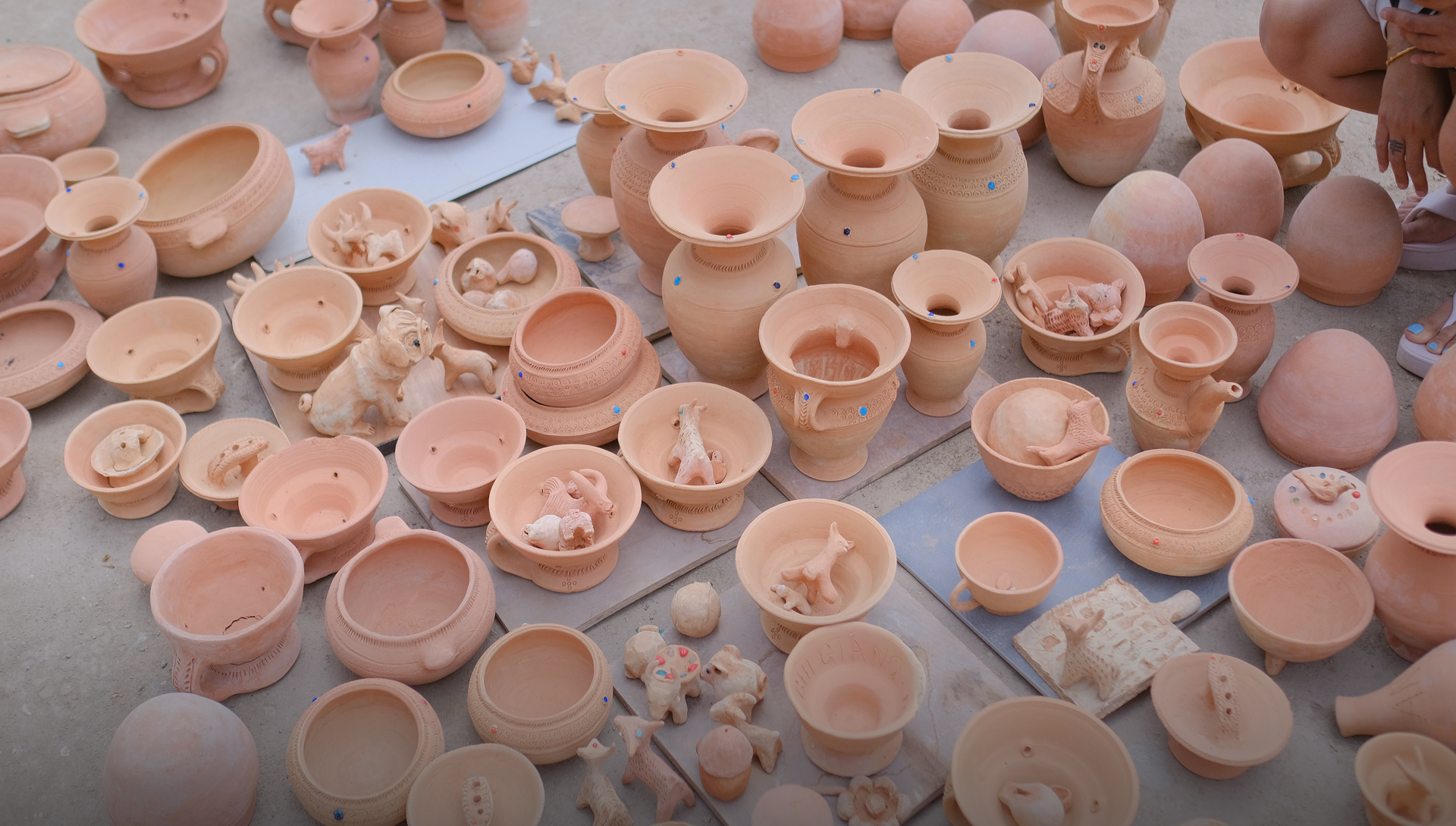
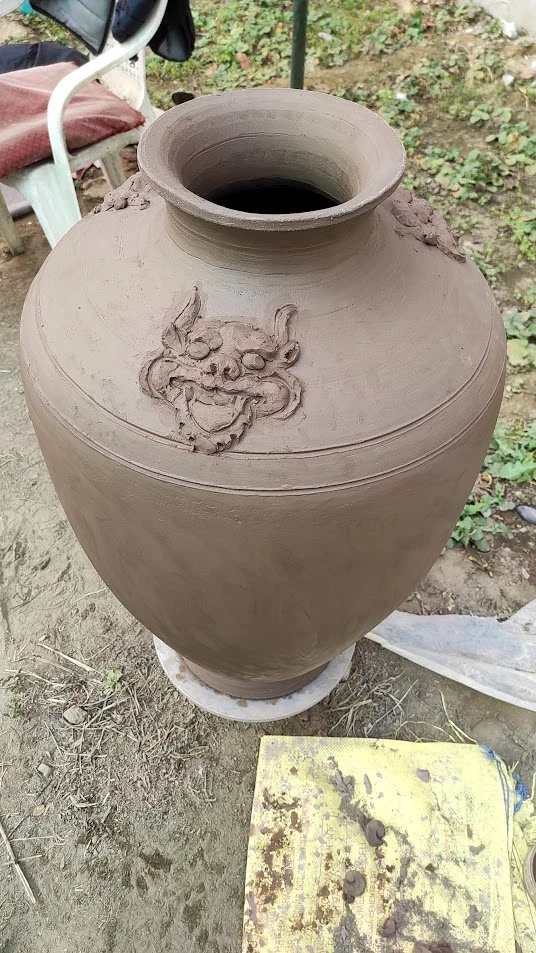
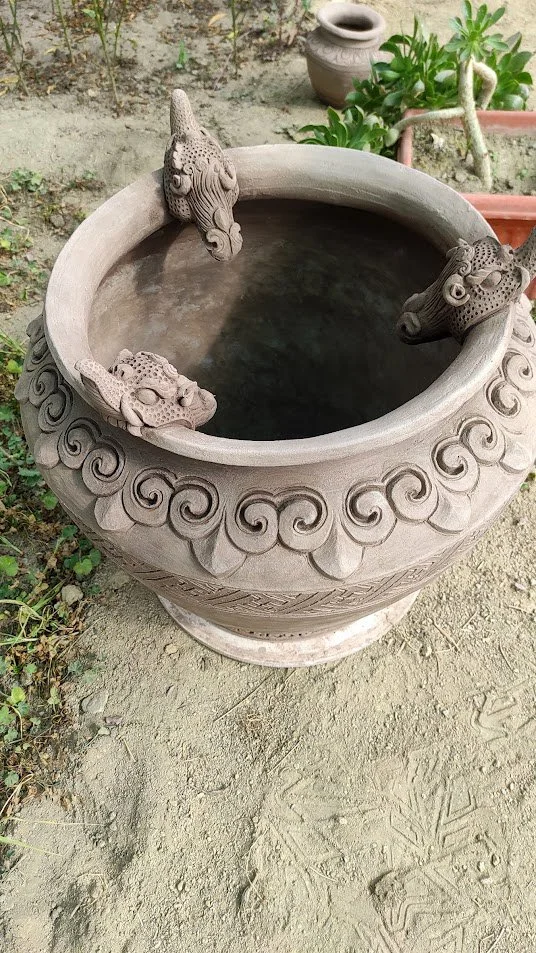
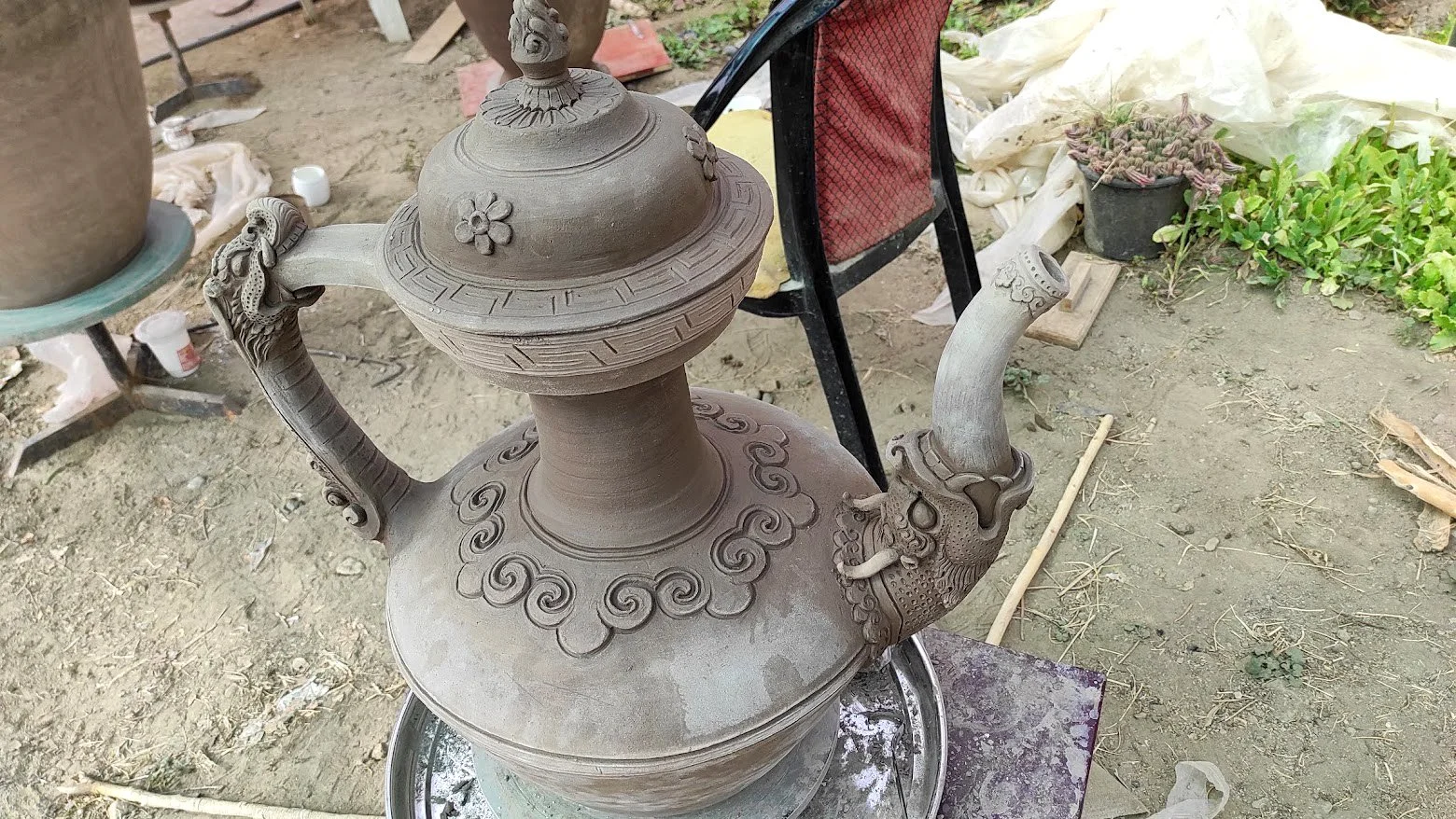
Our wares are deeply rooted in our Buddhist culture and have evolved combining tradition, utility, ceremony, rituals and decorations. They tell stories of our rich heritage and echoes the lives of our ancestors.
Our products are usually made to order and we don't sell them online. You may visit our studio directly and buy from available options.
Ritual, Ceremonial & Sacred Wares
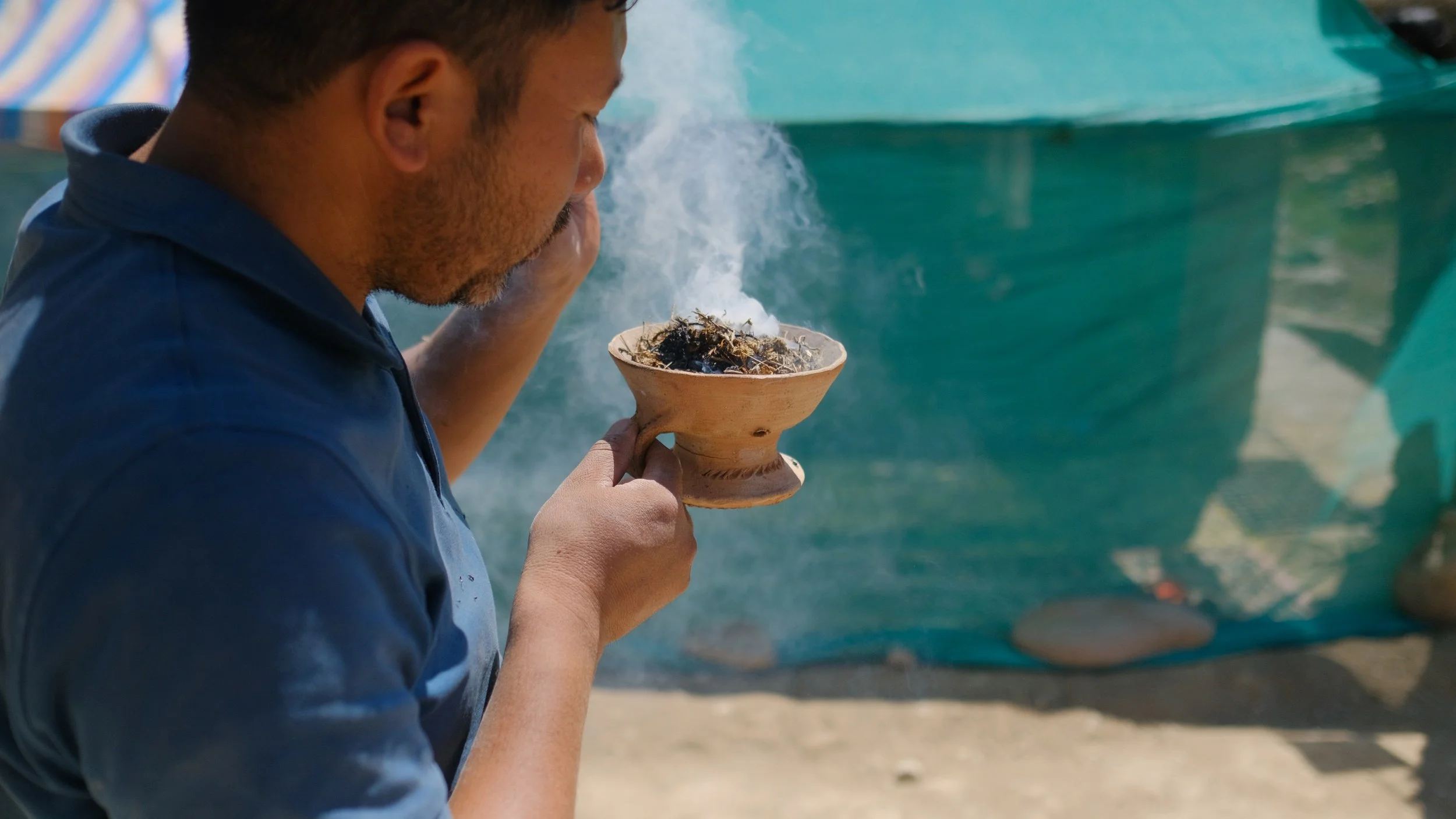
Used in prayer, offerings, healing, and spiritual practices.
-
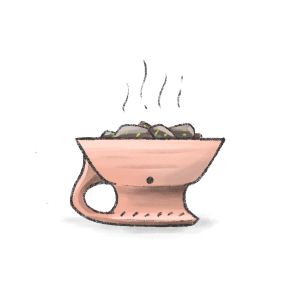
tsangspor (honorific) or pokspor
Incense pots used to burn shukpa (juniper), paloo (edelweiss), and tspang-spos (turf incense). Widely used in Buddhist homes during morning prayers and Losar. Also used to cleanse spaces and objects considered impure.
-
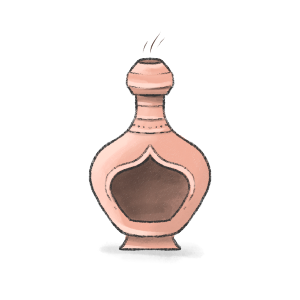
tsangskun
A large protective covering for an incense pot to shield it from wind. Commonly found near monastery gates and sometimes used at home when incense is burned near hay or grass.
-
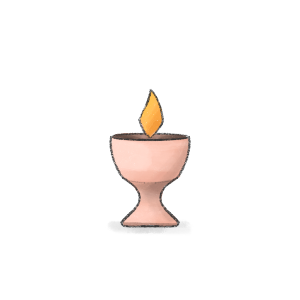
churkhung
Hand-pinched oil lamp made without a wheel, with a central hole for the wick. Widely used during Losar and daily prayers, it is one of the most commonly made and used wares in Ladakh.
-
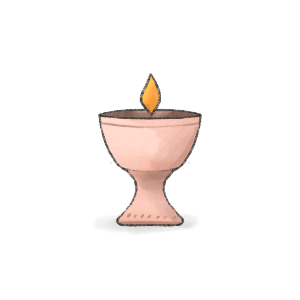
tsanbar
A larger version of the churkhung, used to light lamps for extended periods, sometimes up to a month.
-
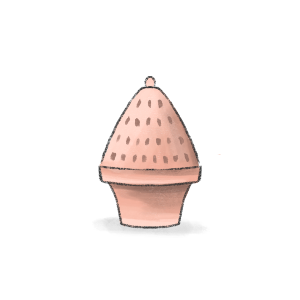
tsasa
Small stupa-shaped forms, usually made in sets of 100 after funerals to aid the spirit’s rebirth.
-
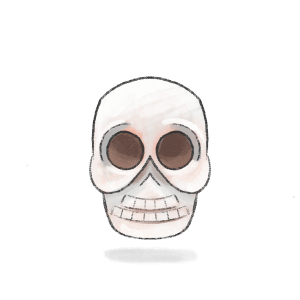
thoskam
A small skull form placed on monastery roofs, believed to protect against negative energies.
-
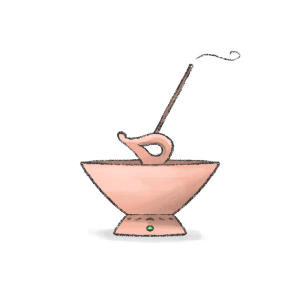
spos thukchas
Incense stick holder.
-
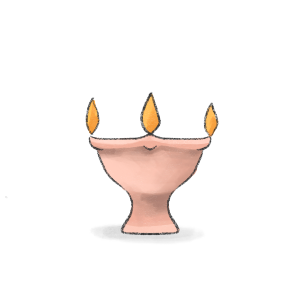
lhingee or choggee
A diya fired from four sides.
-
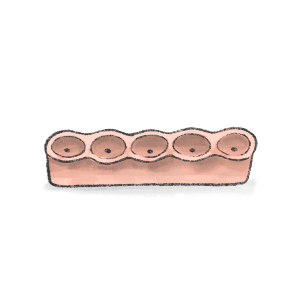
gyajee churkung
Five churkhungs joined together on a common base.
-
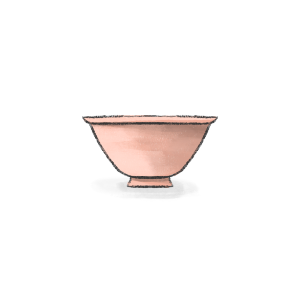
ting
Small cups used to hold water in monasteries and prayer rooms.
-
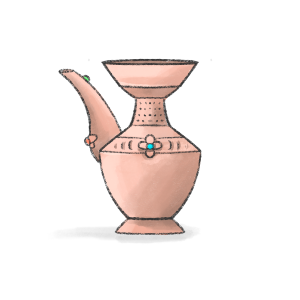
chambing
Vessels used to offer water to deities during ceremonies.
-
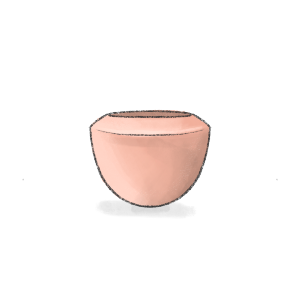
lhumzed
A bowl often depicted in the hands of the Buddha and used in monasteries.
-
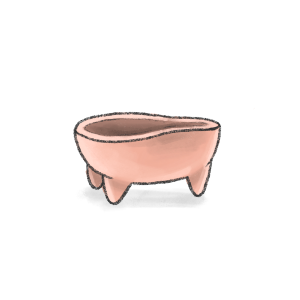
thotpa
A small, triangular bowl with three legs, used during prayers.
-

nima zawa
Sun and moon symbols placed atop stupas, representing non-duality and oneness.
-
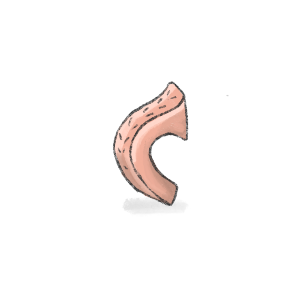
snelung
Small ritual handles used during prayers. Also the term for pot handles.
-
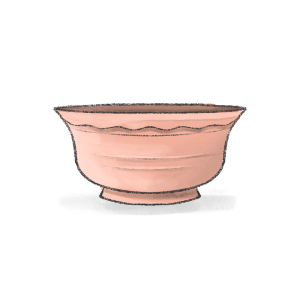
akhoori zama
A large funerary vessel used to burn a mixture of tsampa, butter, milk, and honey over 48 days. The smoke is believed to fulfill the hunger of the departed spirit.
-
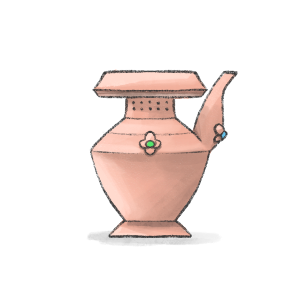
tusi pungpa
A spouted vase used during healing rituals. Water and saffron are mixed and prayers are performed for the well-being of the sick.
-
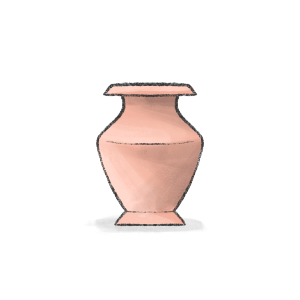
sachut pungpa
This vessel is kept in small stupas or buried in the ground. It is believed to invite prosperity and is buried at dry springs to help restore their flow.
-
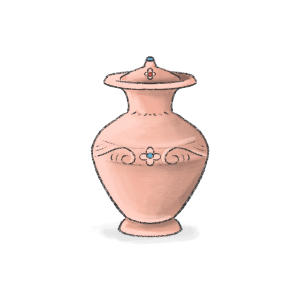
yhangzee
Sealed storage vessel used during prayers to hold grains, currency, precious metals, juniper, or sacred water. Believed to retain good fortune within the household.
-
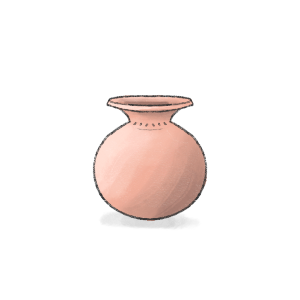
kyakshad galu
A handheld vessel used to discard ritual remnants such as used tea leaves, salt, skotse (chives), and barley after prayers.
-
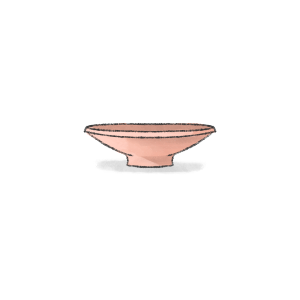
tsokput pulches
A small vessel used to symbolically offer food to the universe before it is consumed.
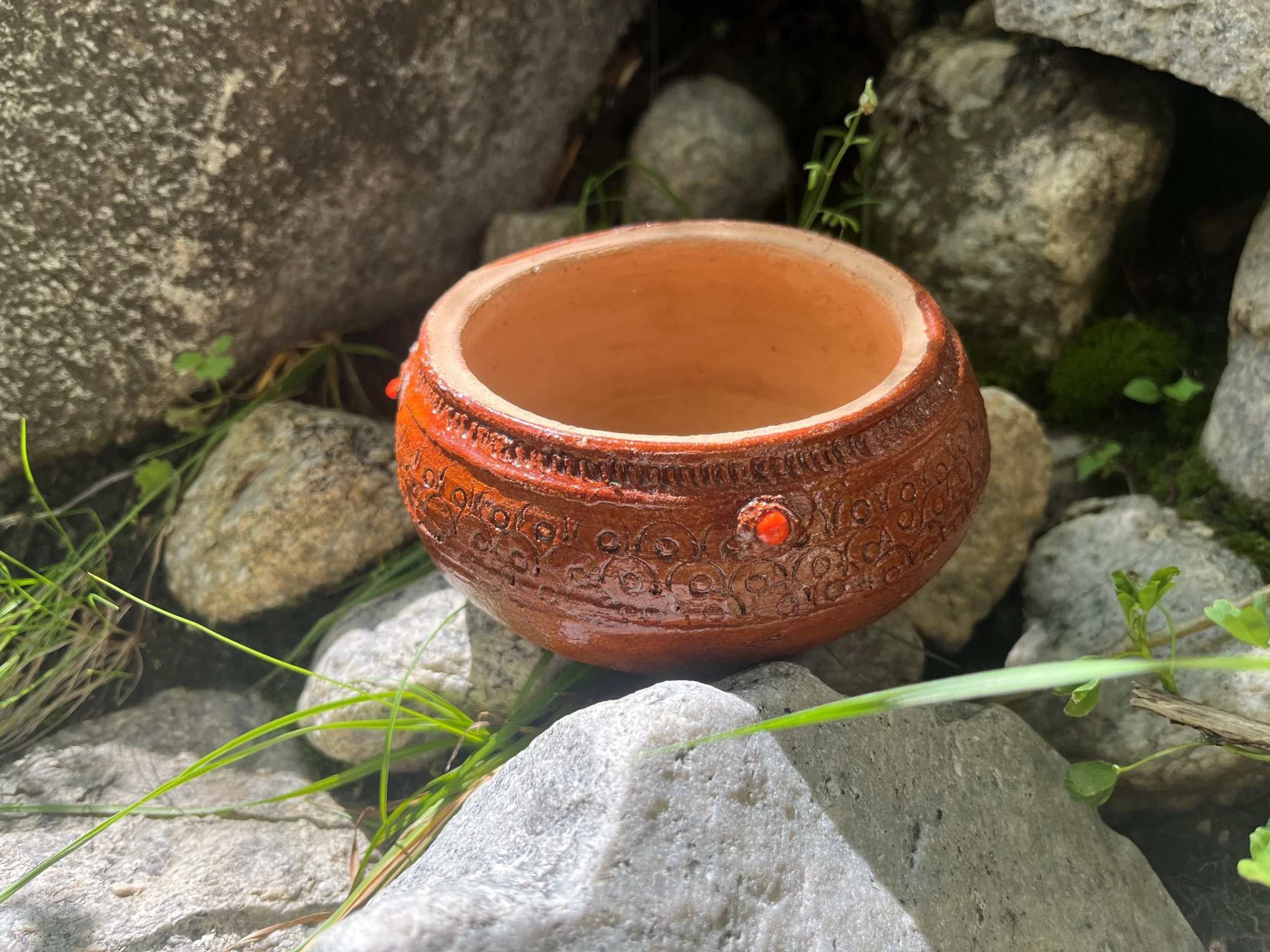
Everyday & Domestic Wares
Used in homes, kitchens, and fields for daily cooking, storage, processing, and the fermentation of chang (barley wine), tea, grains, dairy, and preserved foods.
-
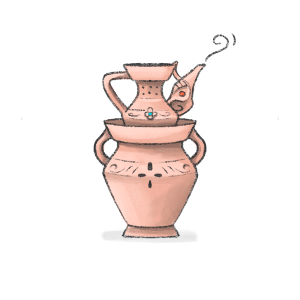
meslang and tibril
A traditional alternative to a modern thermos. The meslang (brazier) holds burning cow dung, while the tibril (teapot) sits on top, keeping tea warm. Commonly taken to the fields. Made in small, medium, and large sizes, and always sold as a set.
-
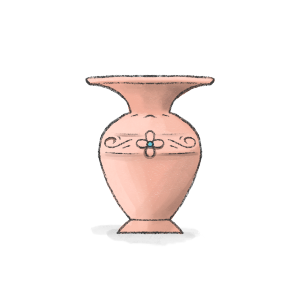
pungpa
Traditionally used to carry chang to weddings as a gift. When carried outside the village, a paba (barley bread) is used as a lid, marked with charcoal thumbprints and a small breathing hole. Today, it is often used as a flower vase.
-
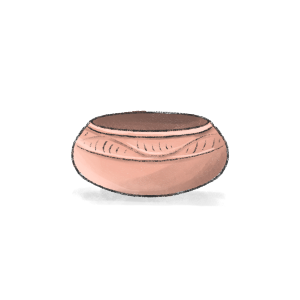
marluk
A small bowl traditionally used to store and serve butter. Larger versions are now commonly used to serve biscuits and dried apricots and are locally known as “biscuit bowls”.
-
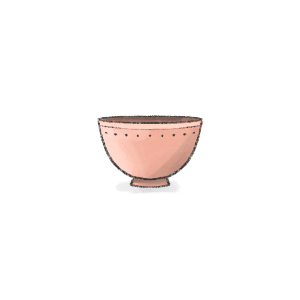
kore
Traditional tea cup.
-
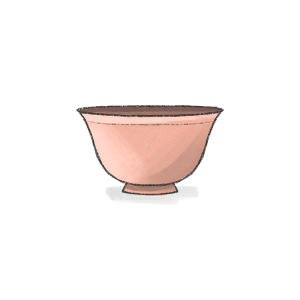
photo
Bowl used to serve thukpa (soup) and daily meals.
-
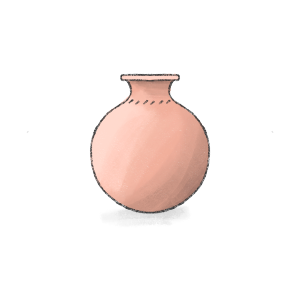
chokar
Pot used to fill and carry water.
-
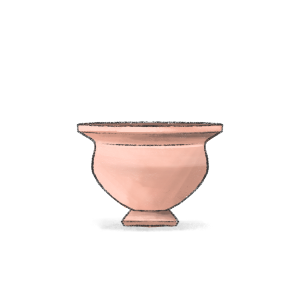
gormo
A larger bowl used to mix kholak, a staple Ladakhi food made from barley flour.
-
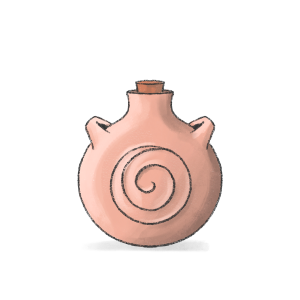
phing
Water bottle, slightly flattened at the sides and ear like loop. Closed with a wooden cork and carried using a leather strap.
-
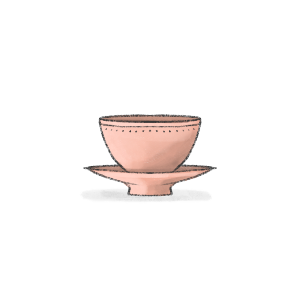
kortheskys
Cup and saucer joined together, traditionally used to drink tea.
-
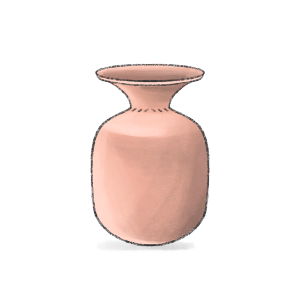
rhigza
A large, rounded vessel used to store chang. Requires a wooden stand.
-
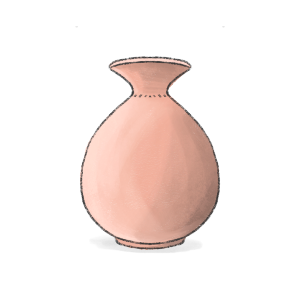
changza
Larger version of the rhigza for storing greater quantities of chang.
-
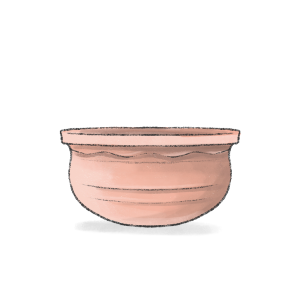
alste
Used to store curd and thangtur, a spiced yogurt served with paba.
-
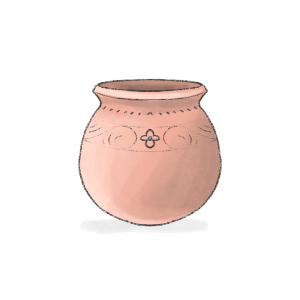
tangtur galu
Smaller vessels used to store thangtur and tsagmo (a dish made from leftovers).
-
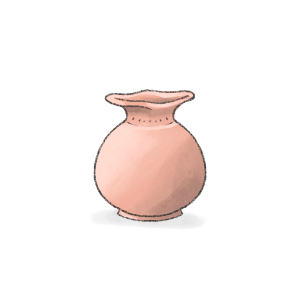
tsasluk
Similar to kyakshad galu but with a base. Used to store salt or sugar, covered with a cloth lid.
-
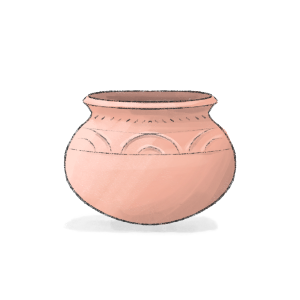
kagdur
Cooking pot used for thukpa, paba, chutagi, labo (cheese), and occasionally yogurt.
-
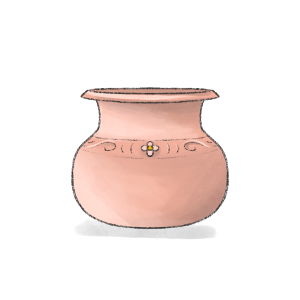
lhigee
Pot used to boil water and tea.
-
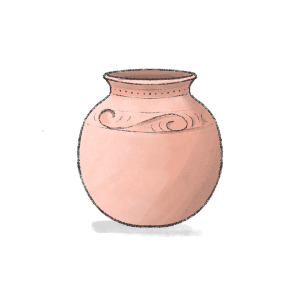
jhopkar
A large pot used to churn butter.
-
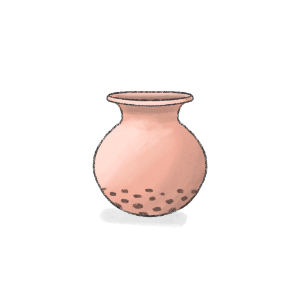
dhastoo
Used to cook rice. Similar to a changza but with perforations like a moktoo and a wider neck.
-
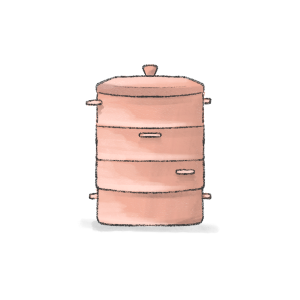
moktoo
A steaming vessel used to cook momos. Water boils below while momos steam above.
-
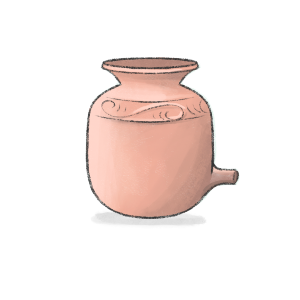
khagzem
A vessel used to add water to fermented barley and allow it to settle overnight before serving chang (local barley wine).
-
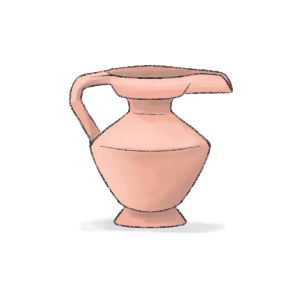
tskyan
A vessel used to serve chang. Its spout is inspired by a snake, symbolically suggesting that what it holds can be both poison and medicine.
-
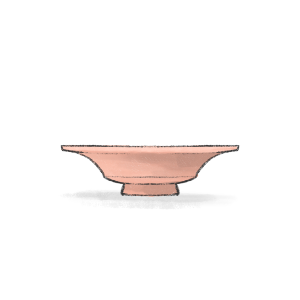
ghagma
An open, shallow bowl used for serving food, a local equivalent of a plate.
Cultural and Play Objects
-
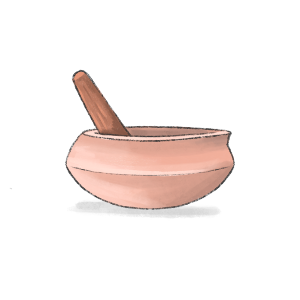
tsepore
Mortar used by thangka painters to grind and mix natural pigments. The rough earthenware surface provides the right texture for mixing, while pestles are traditionally made from wood.
-
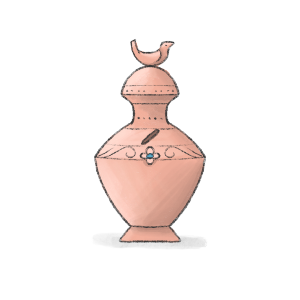
penne tsakchas
Traditional piggy bank with a small bird on top.
-
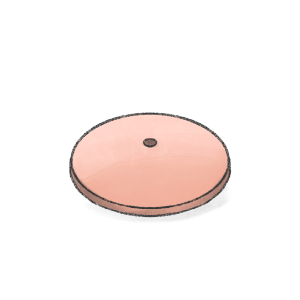
tsaga
Archery target shaped like a flat disc with a central hole.
-
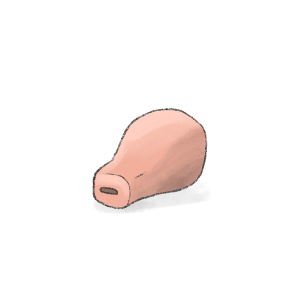
shubra
Clay whistle.
-
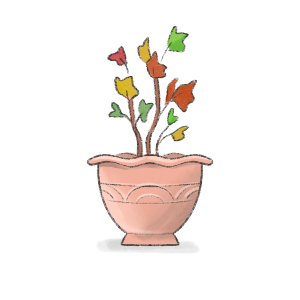
mentog tabchas
Flower pot.
Contemporary Work
Claynimals
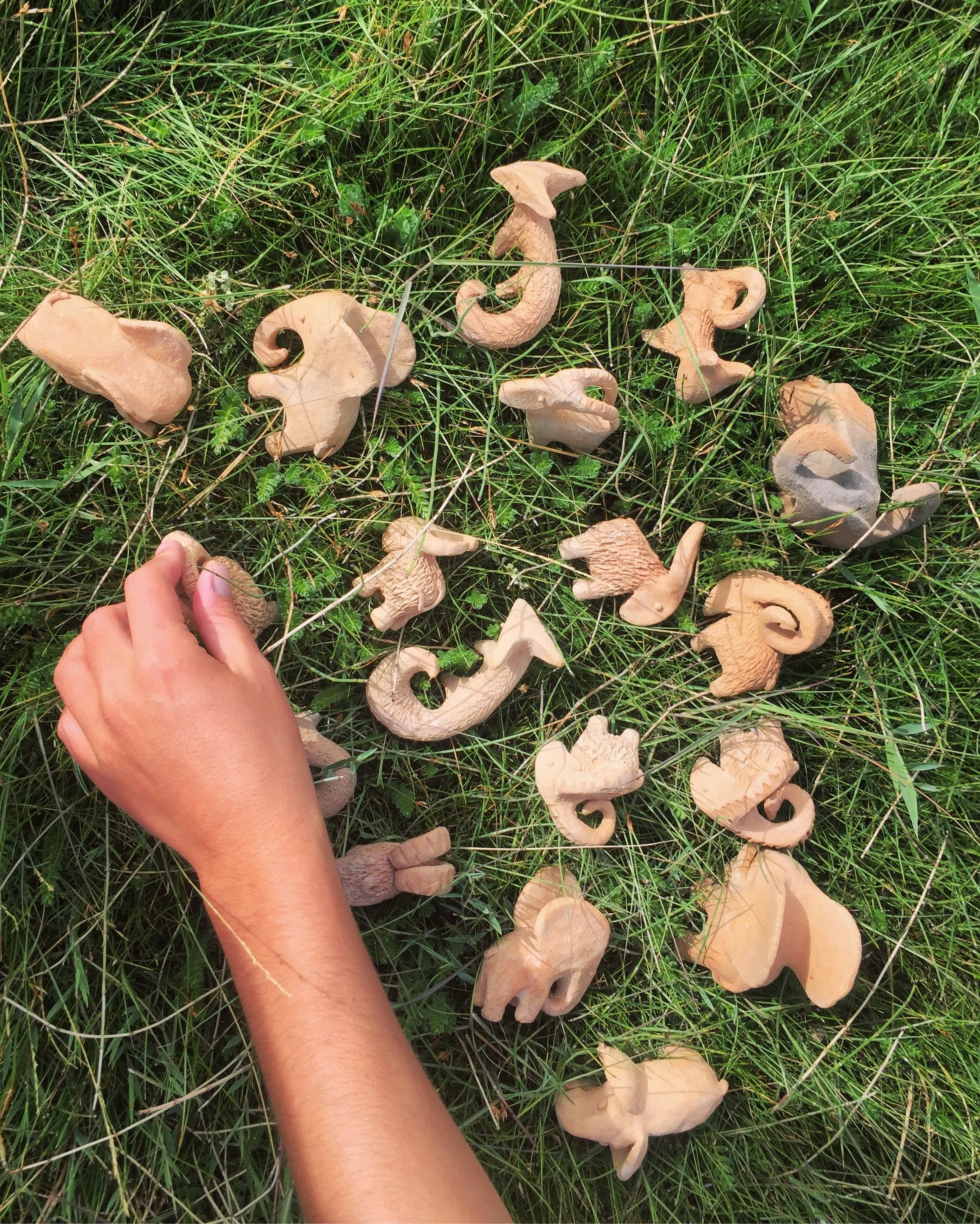
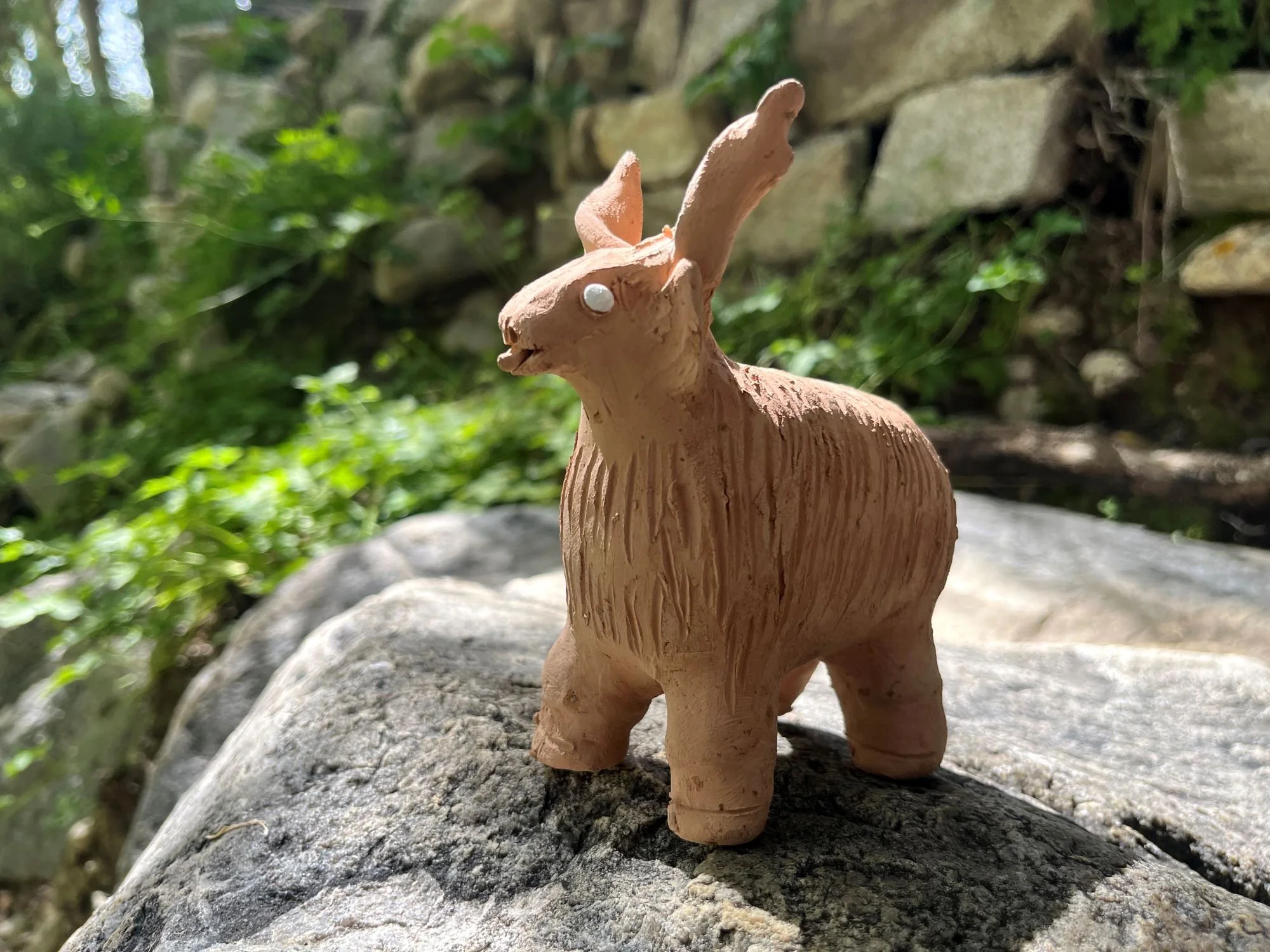
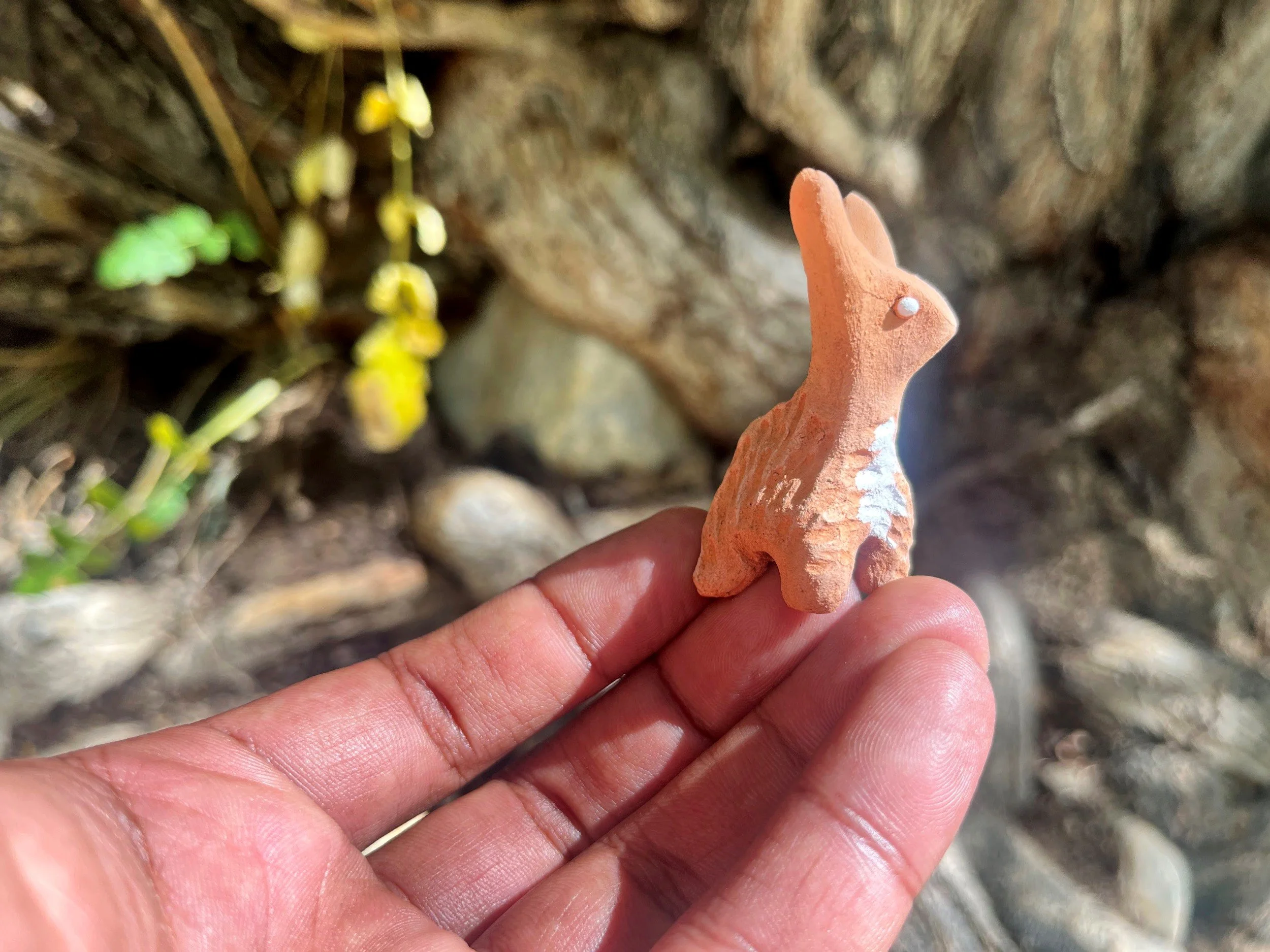
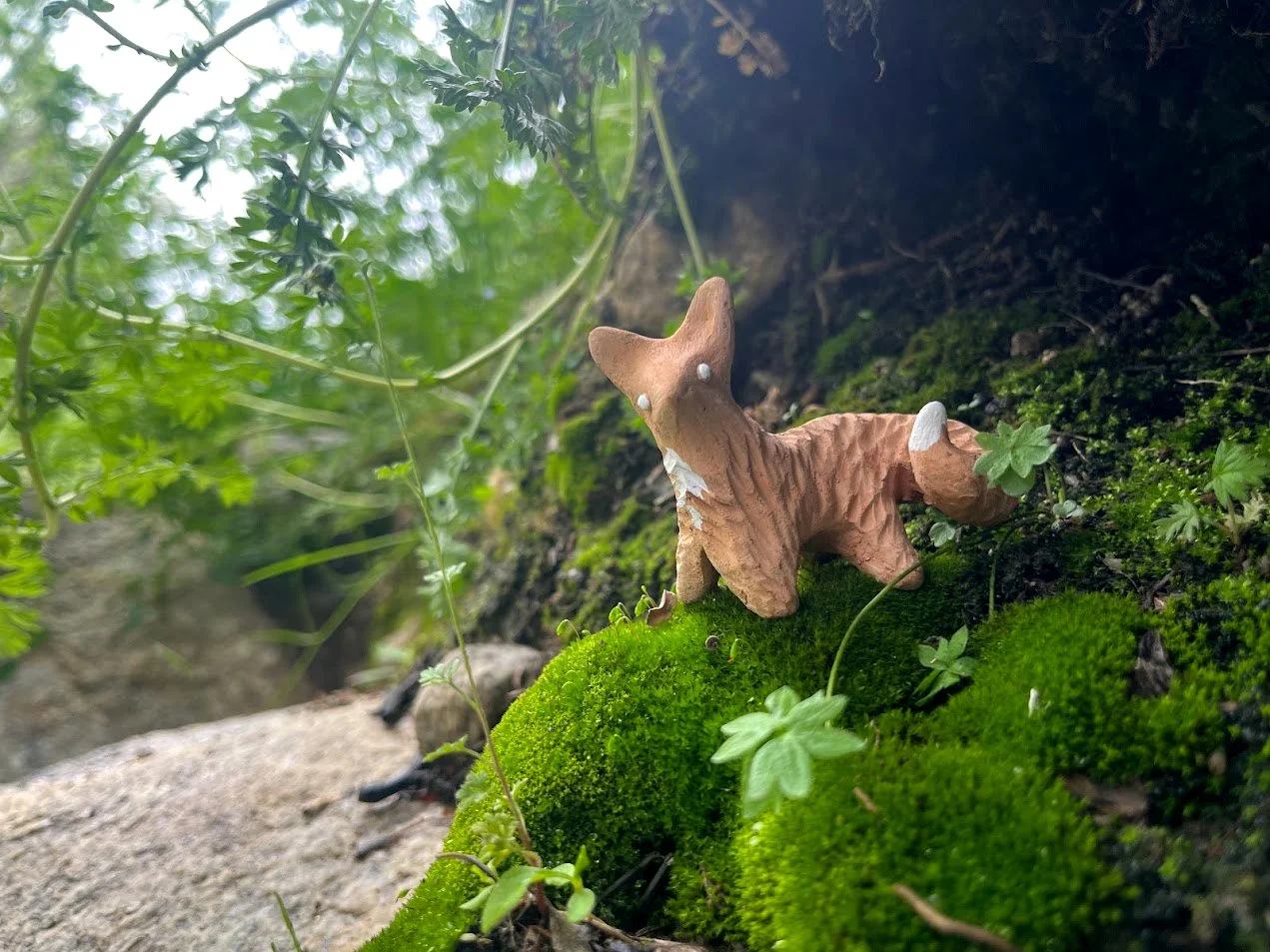
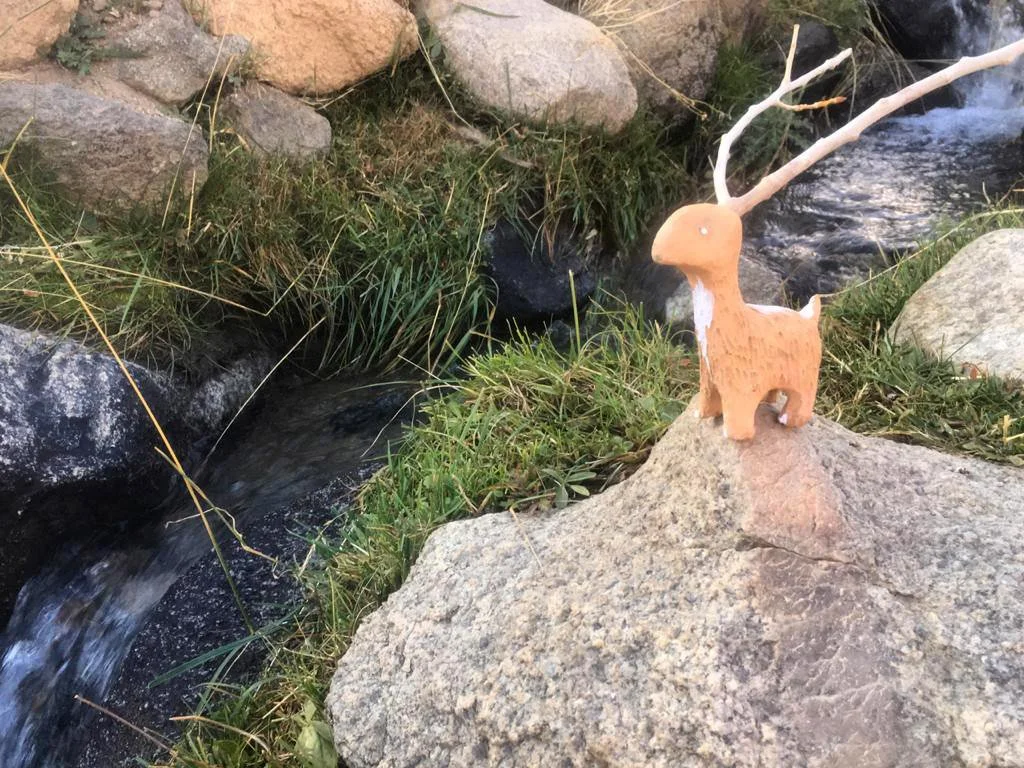
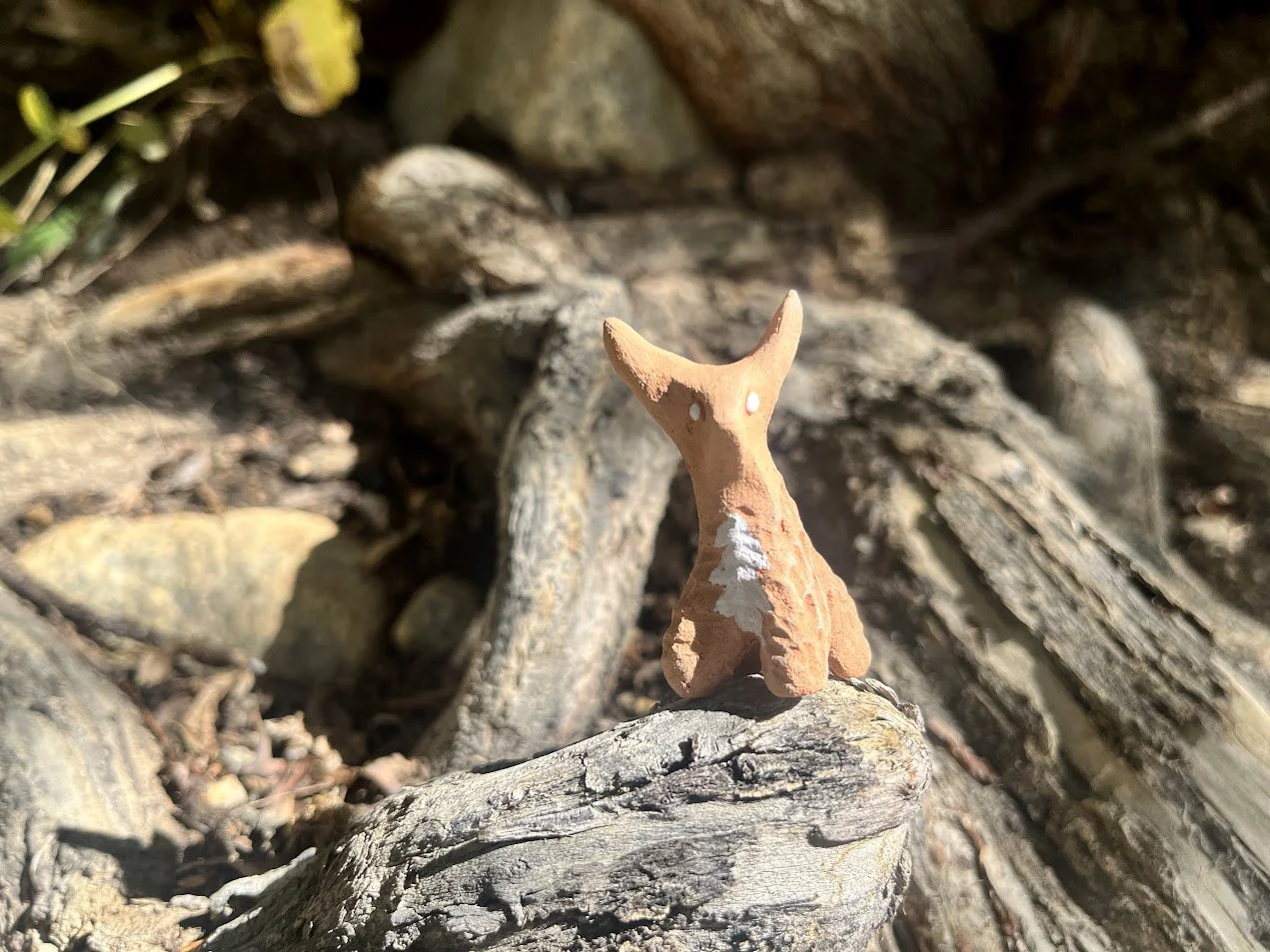
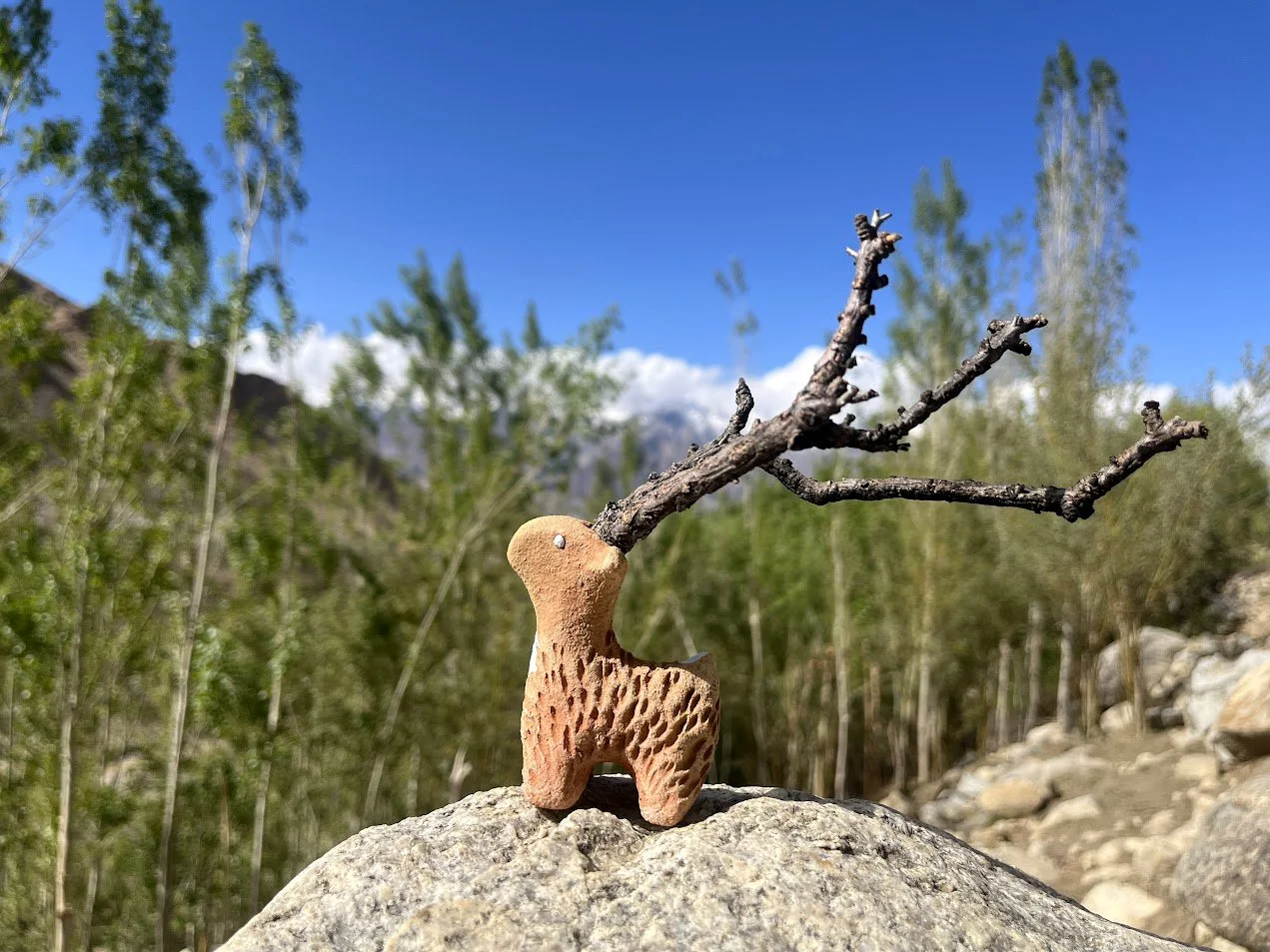
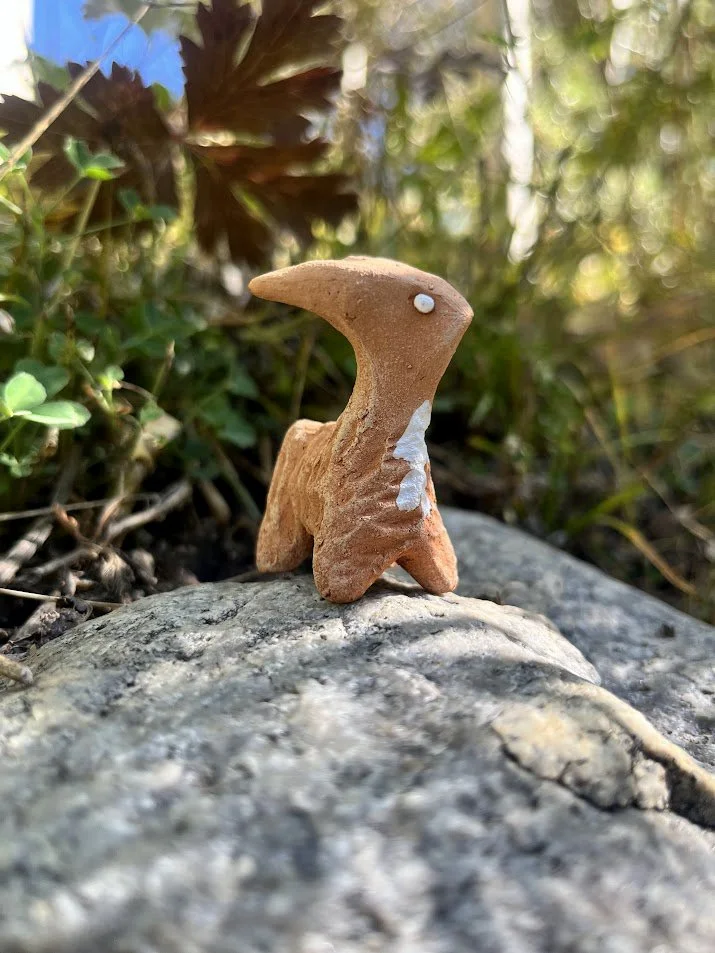
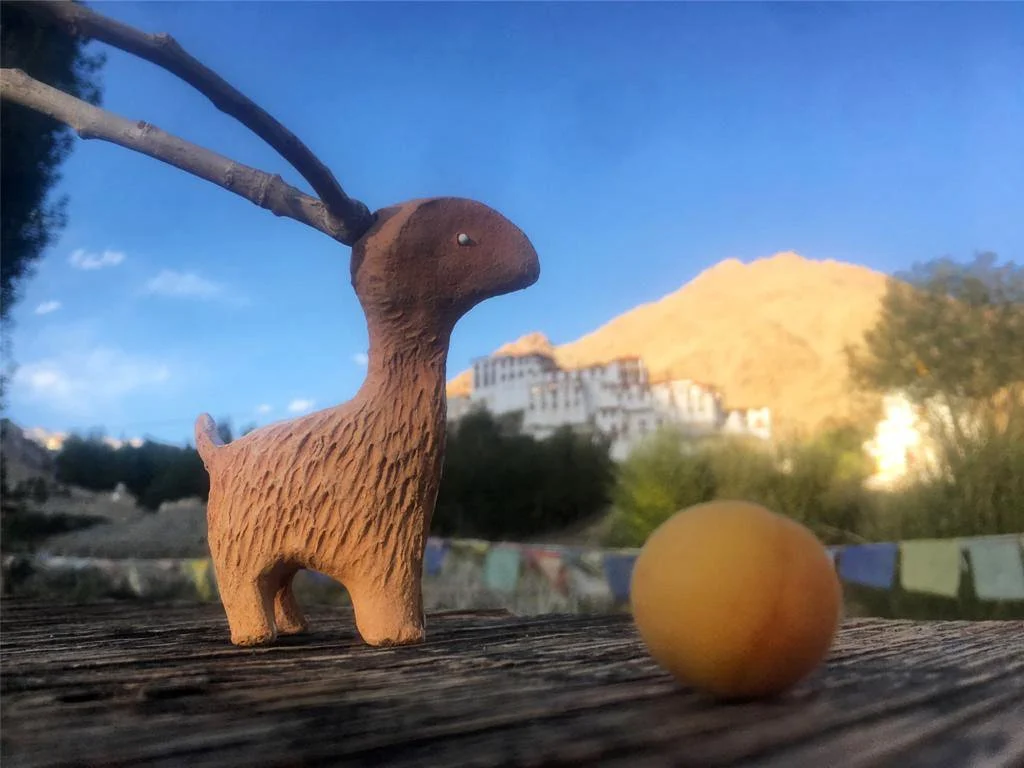
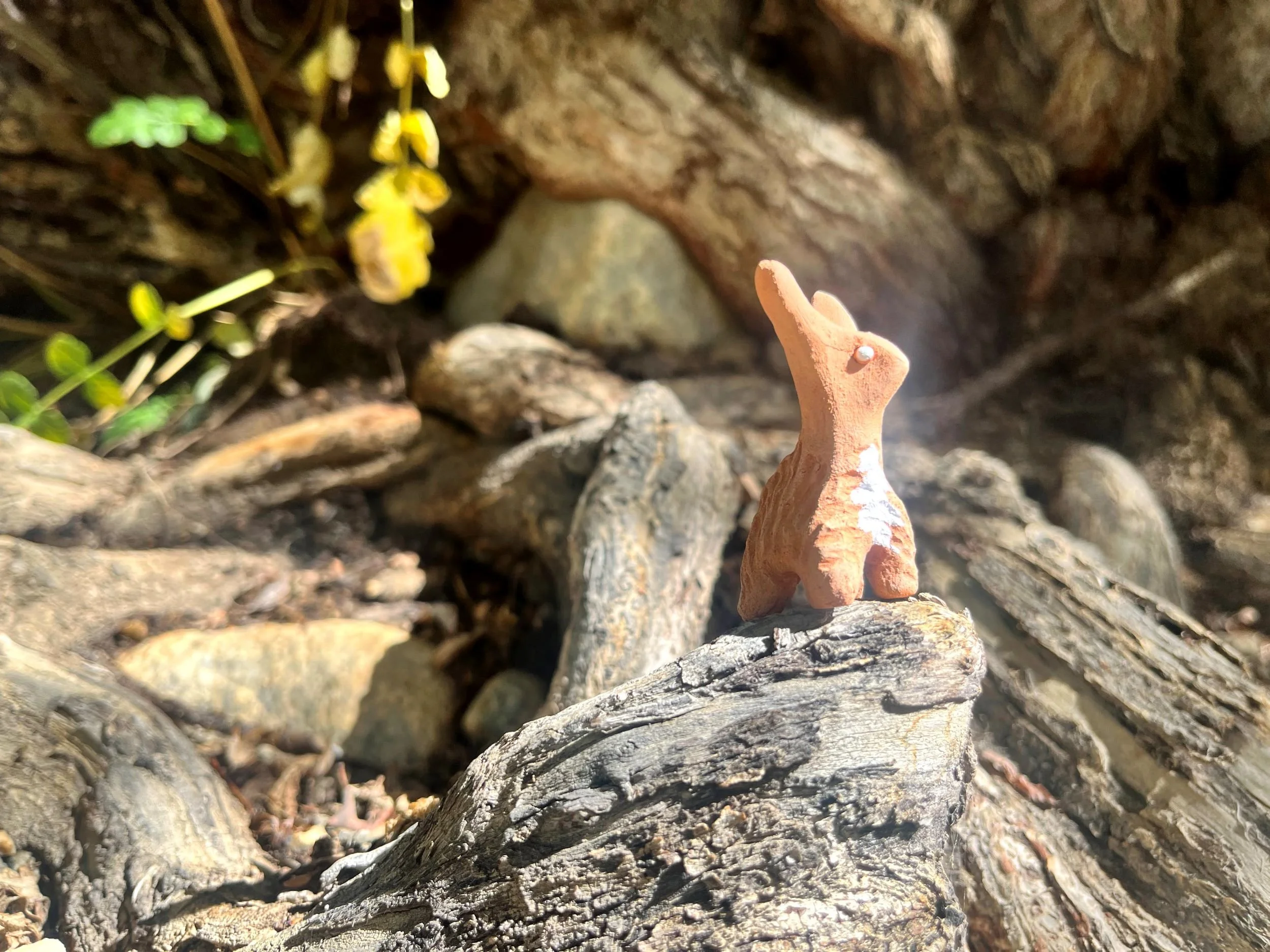
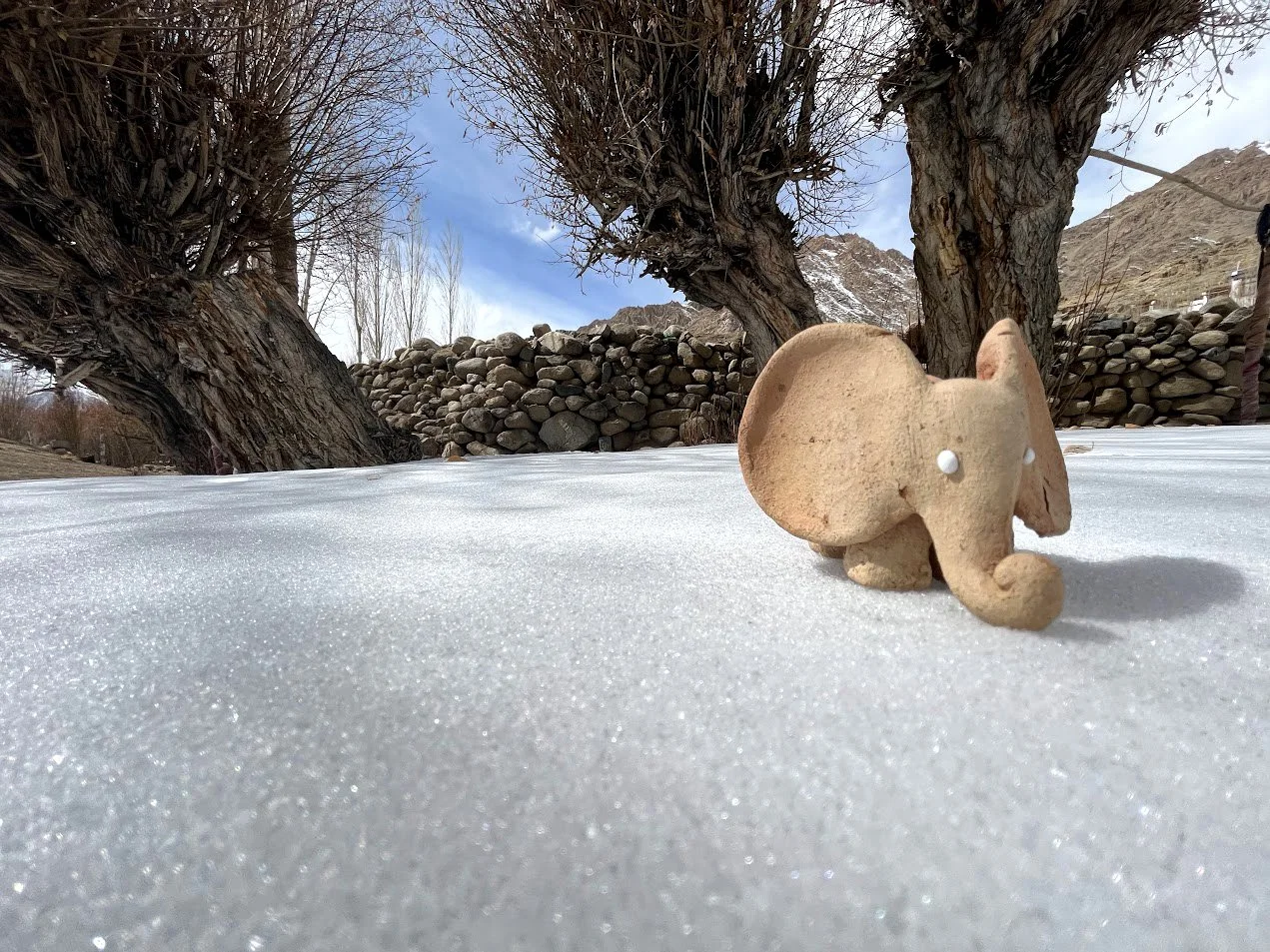
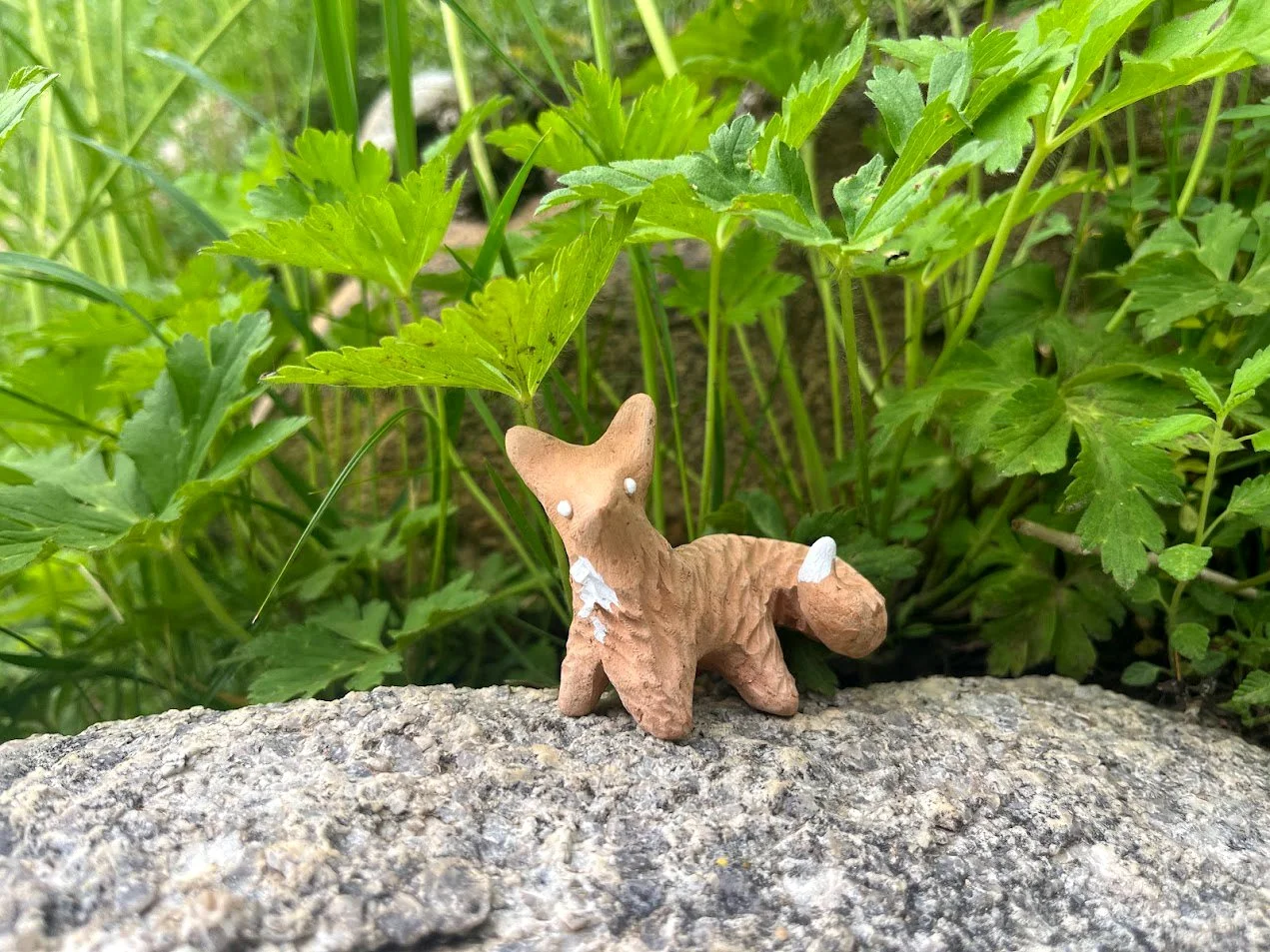
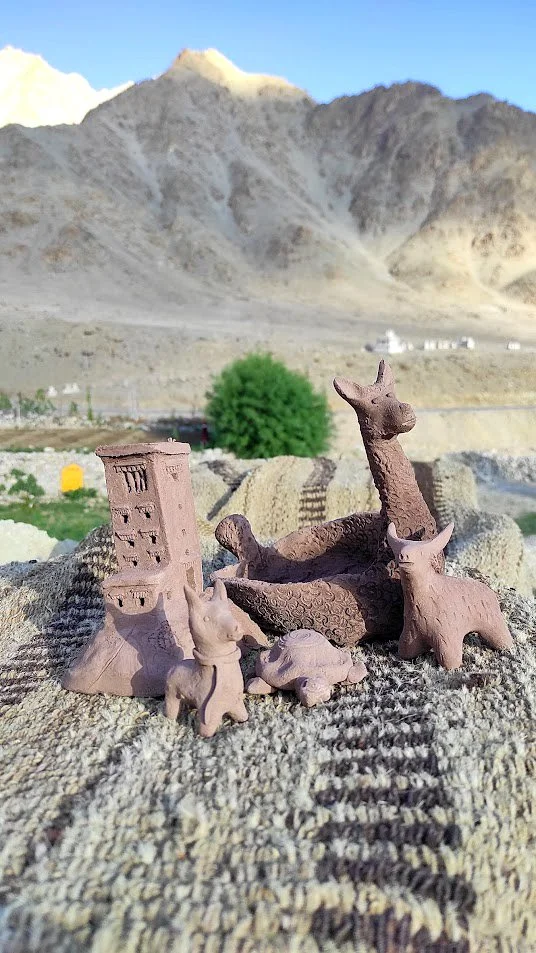
Claynimals are small animal figurines, 2 - 4 inches tall. They draw from a Ladakhi tradition of making barley dough figures that are offered during Losar (Tibetan New Year) and births, with animals like the ibex placed on lhatos (shrines) as offerings symbolising abundance, protection, and continuity.
Over the past seven years, we have adapted this tradition to fired clay. Claynimals now serve as teaching tools in our workshops, gentle souvenirs for visitors, and an accessible way for children and adults to experience hand-building while sparking conversations about wildlife, ecology, and care for the land.
Custom wares &
Experiments
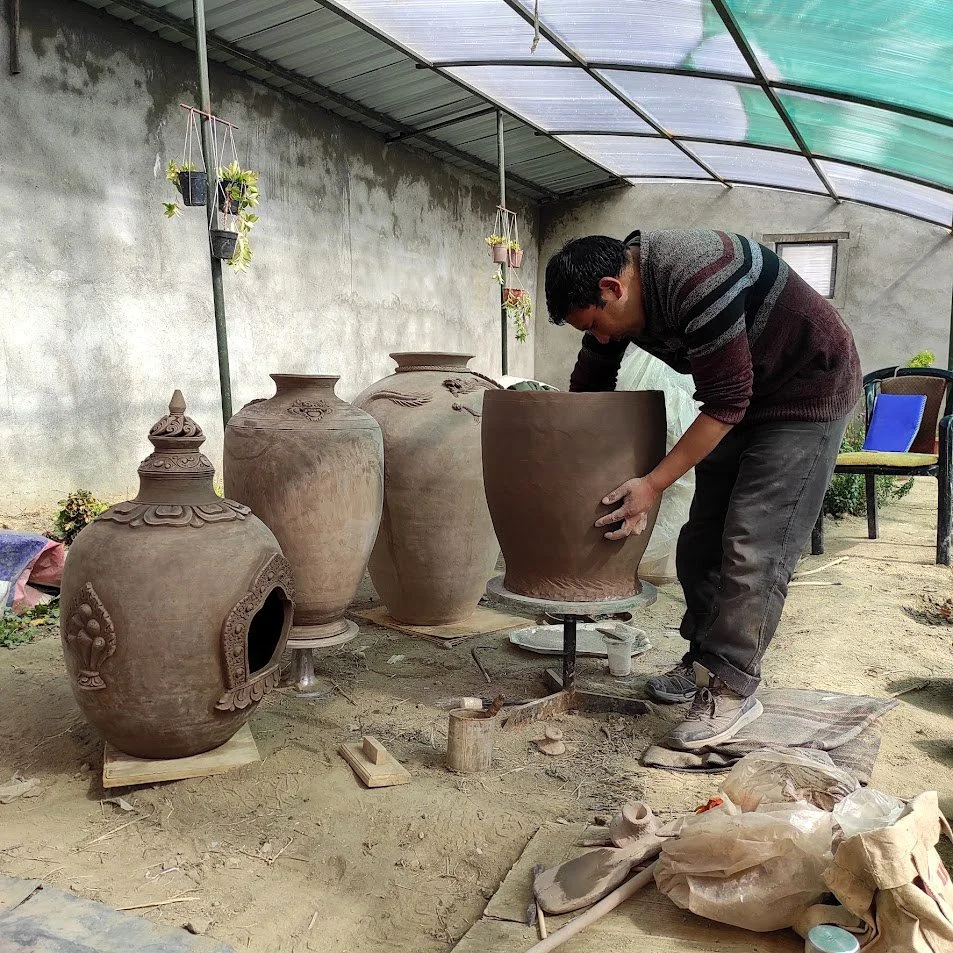
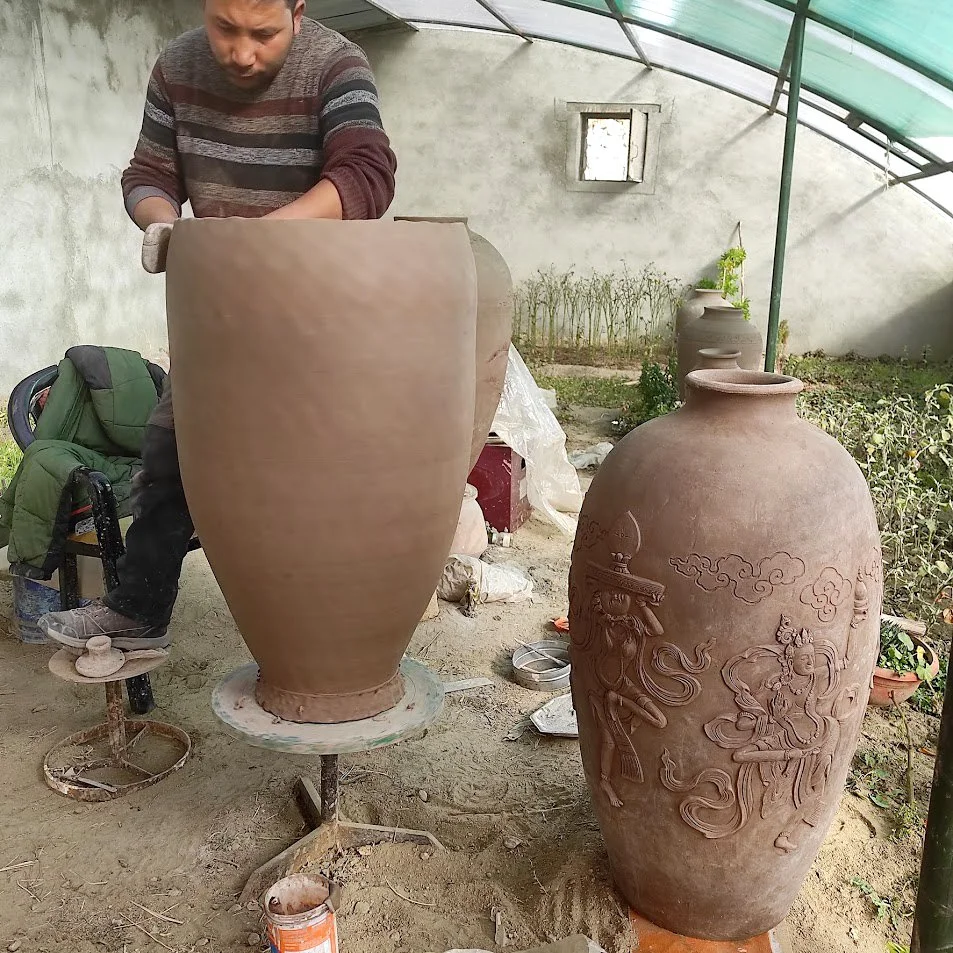
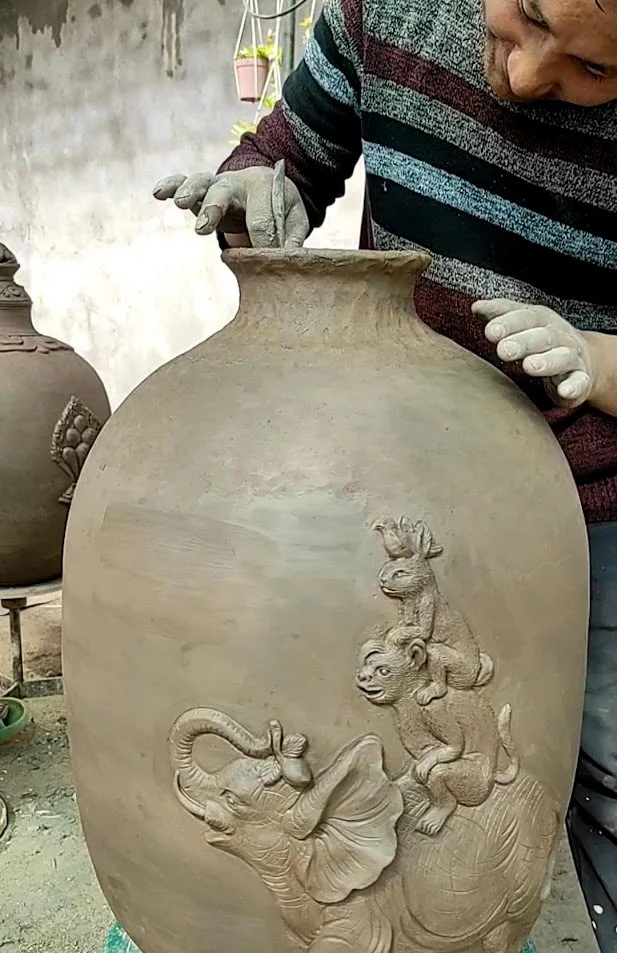
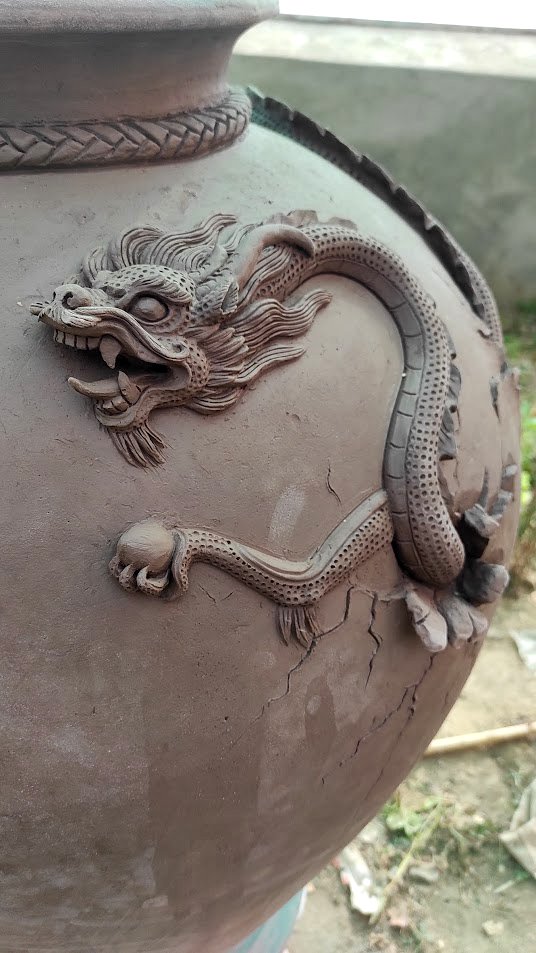
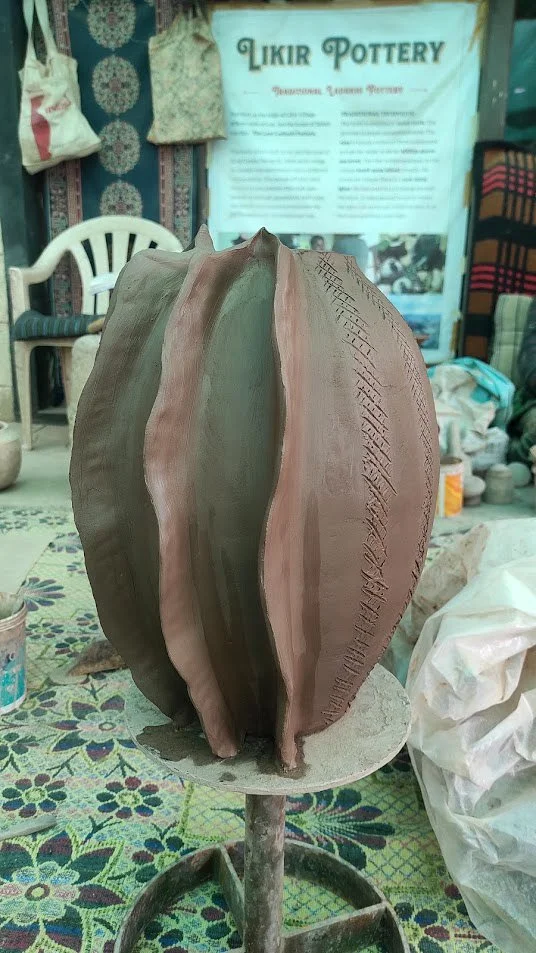
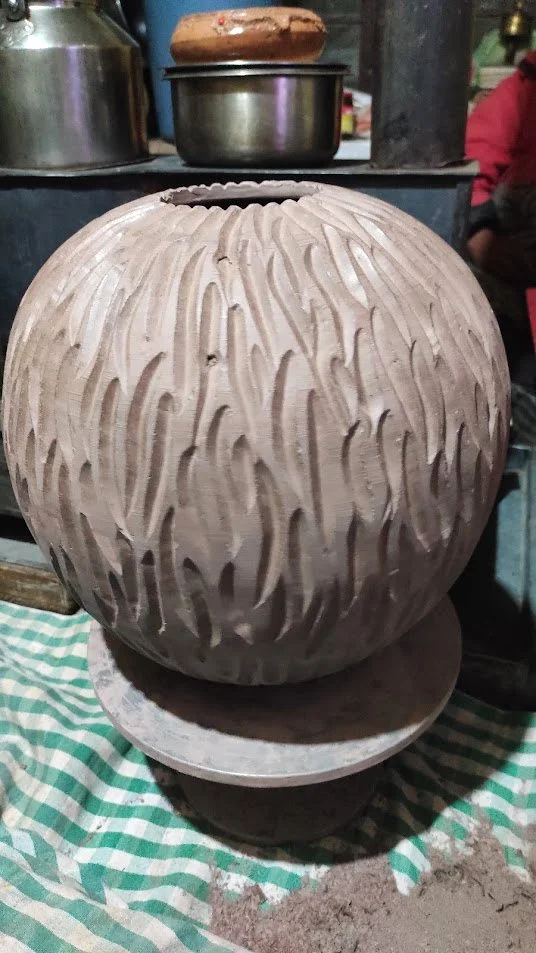
When time permits, we take on custom orders and explore new forms. These include coasters, prayer wheels, wind chimes, and contemporary decorative pots, where traditional knowledge meets present-day use. We also collaborate with local artisans, such as thangka painters, to experiment and create new wares through shared skills and practices.
Fridge magnets
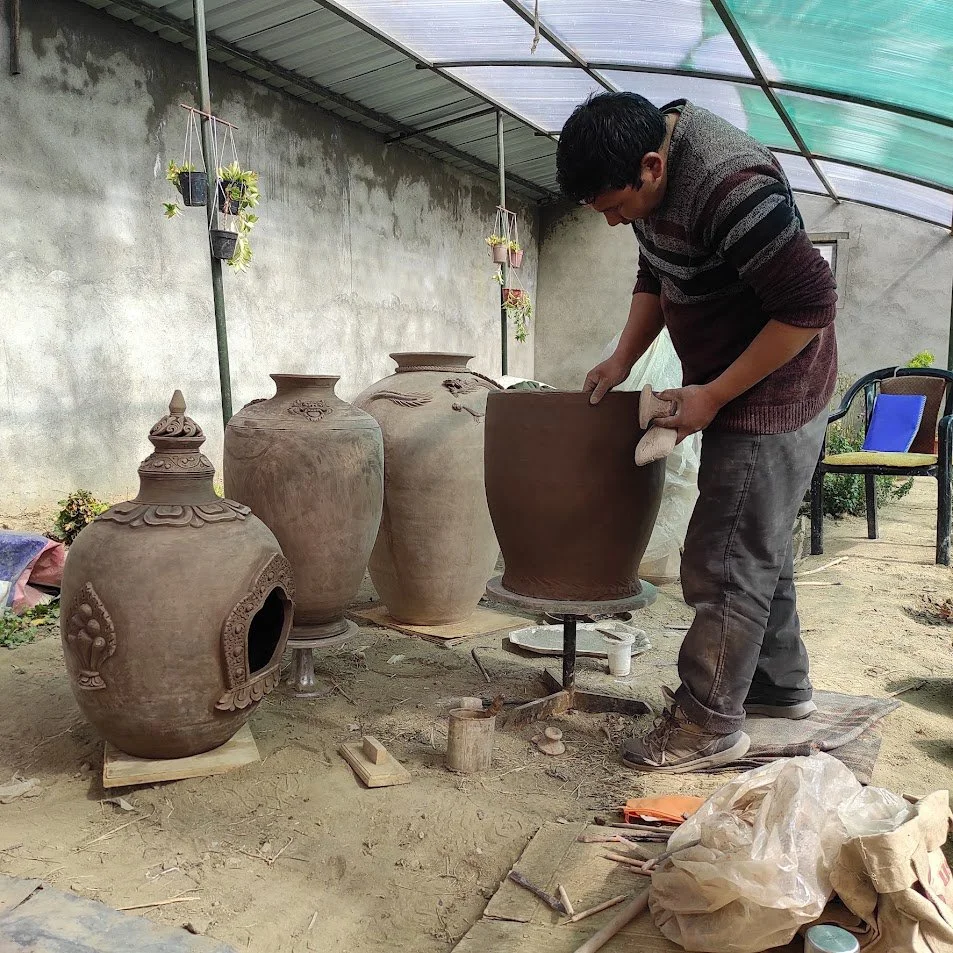
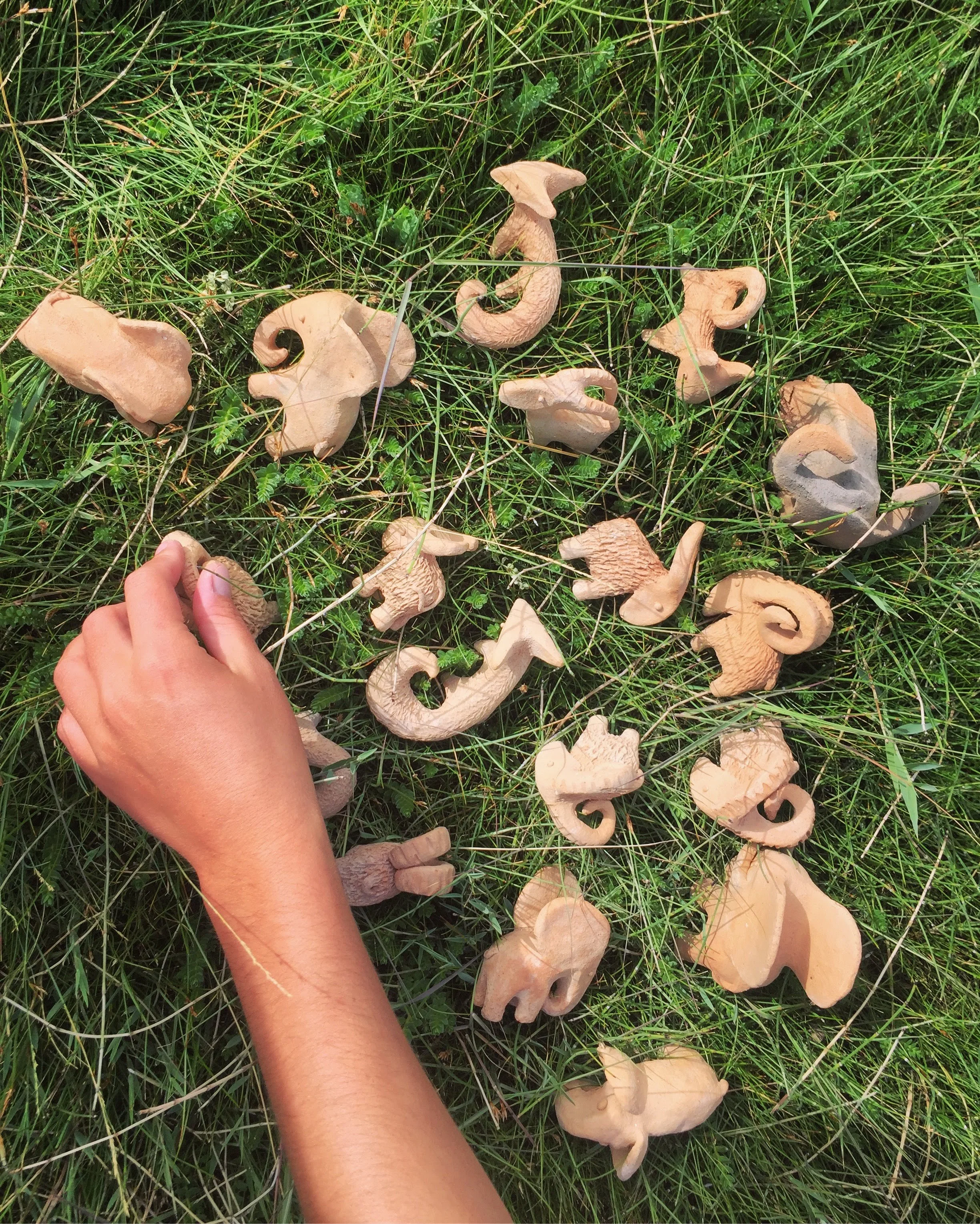
Extending the Claynimals series, we create 2.5D fridge magnets inspired by Ladakh’s wildlife. Designed as lightweight, travel-friendly souvenirs, they allow these animals to accompany visitors beyond the region. We are also experimenting with heat-resistant adhesives so they can be used on bhukaris (metal stoves), allowing them to become part of everyday local life.
Clay Structures
Zaranzak or Chugsumkorlo
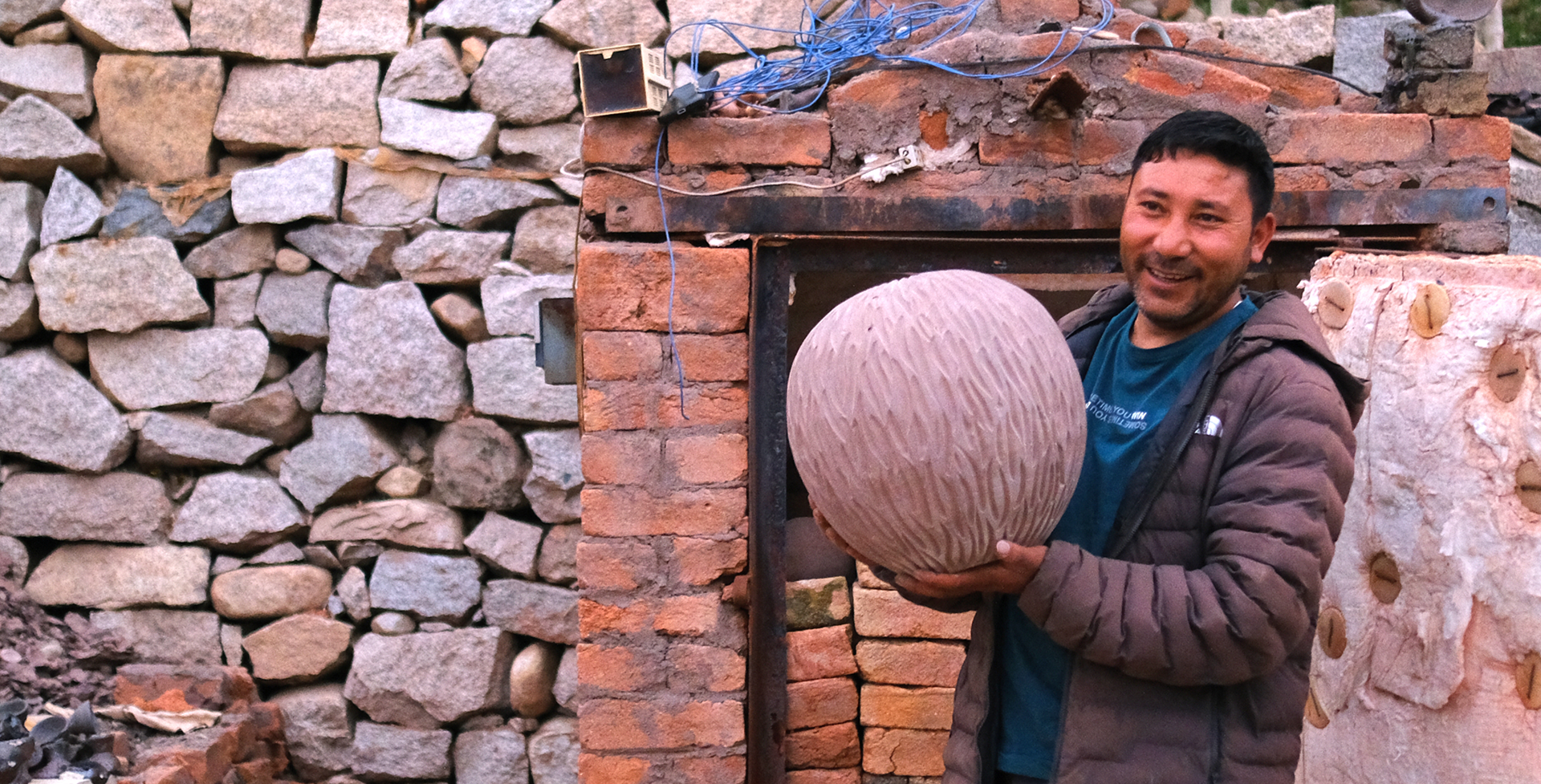
The thirteen stacked rings are traditionally found atop a stupa. These large elements are made in sections, bisque-fired, and assembled on site.
Thap
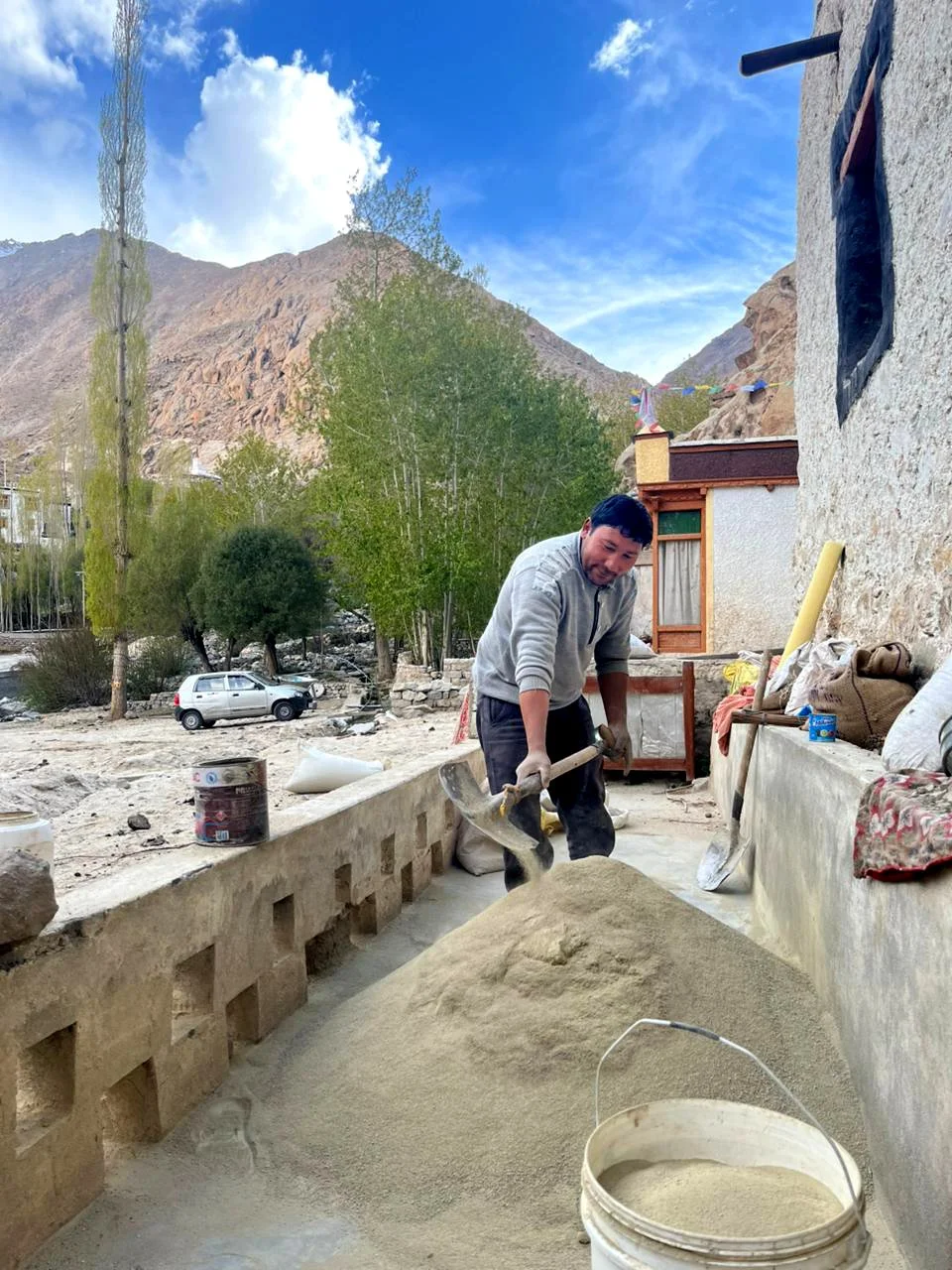
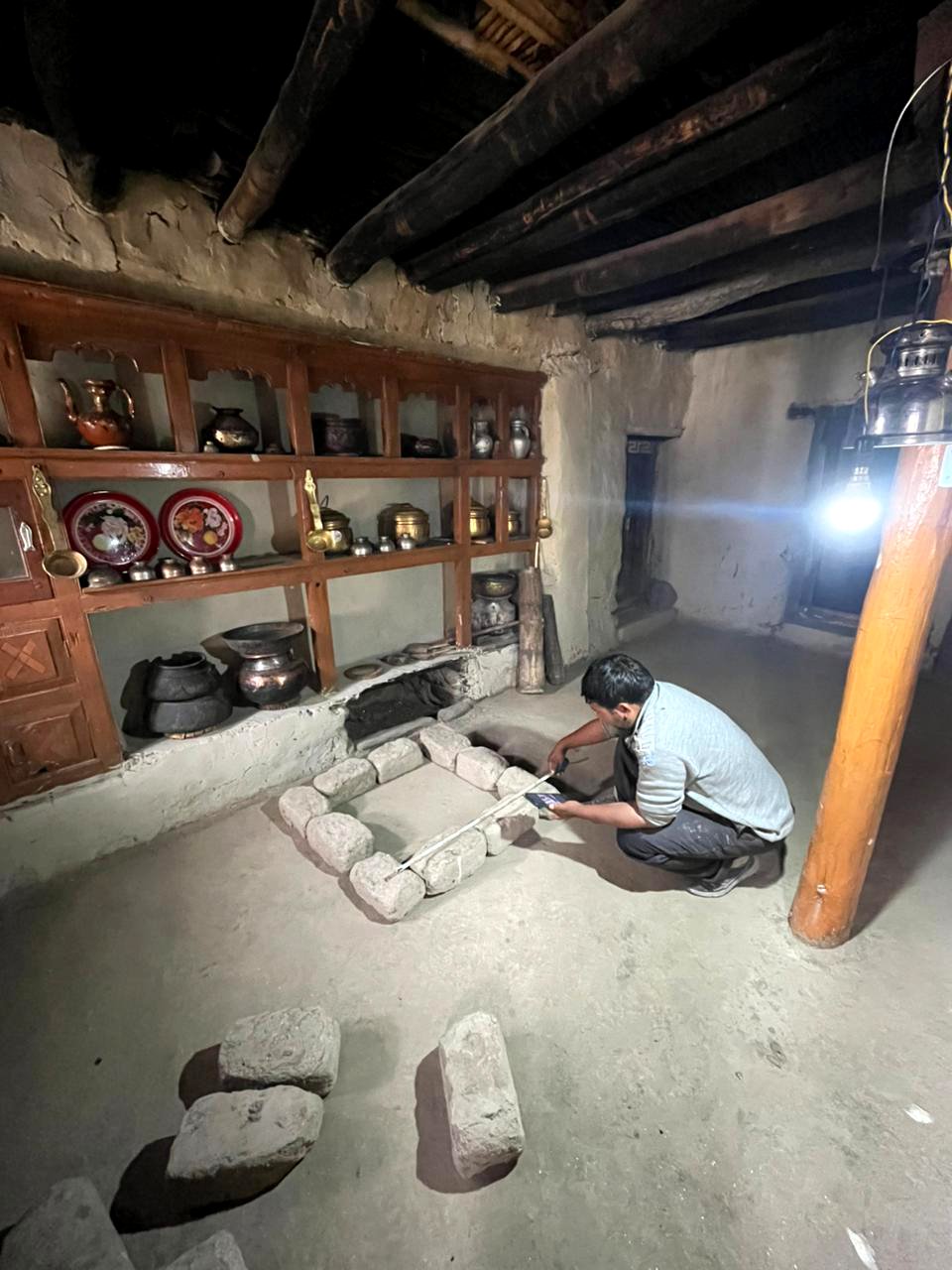
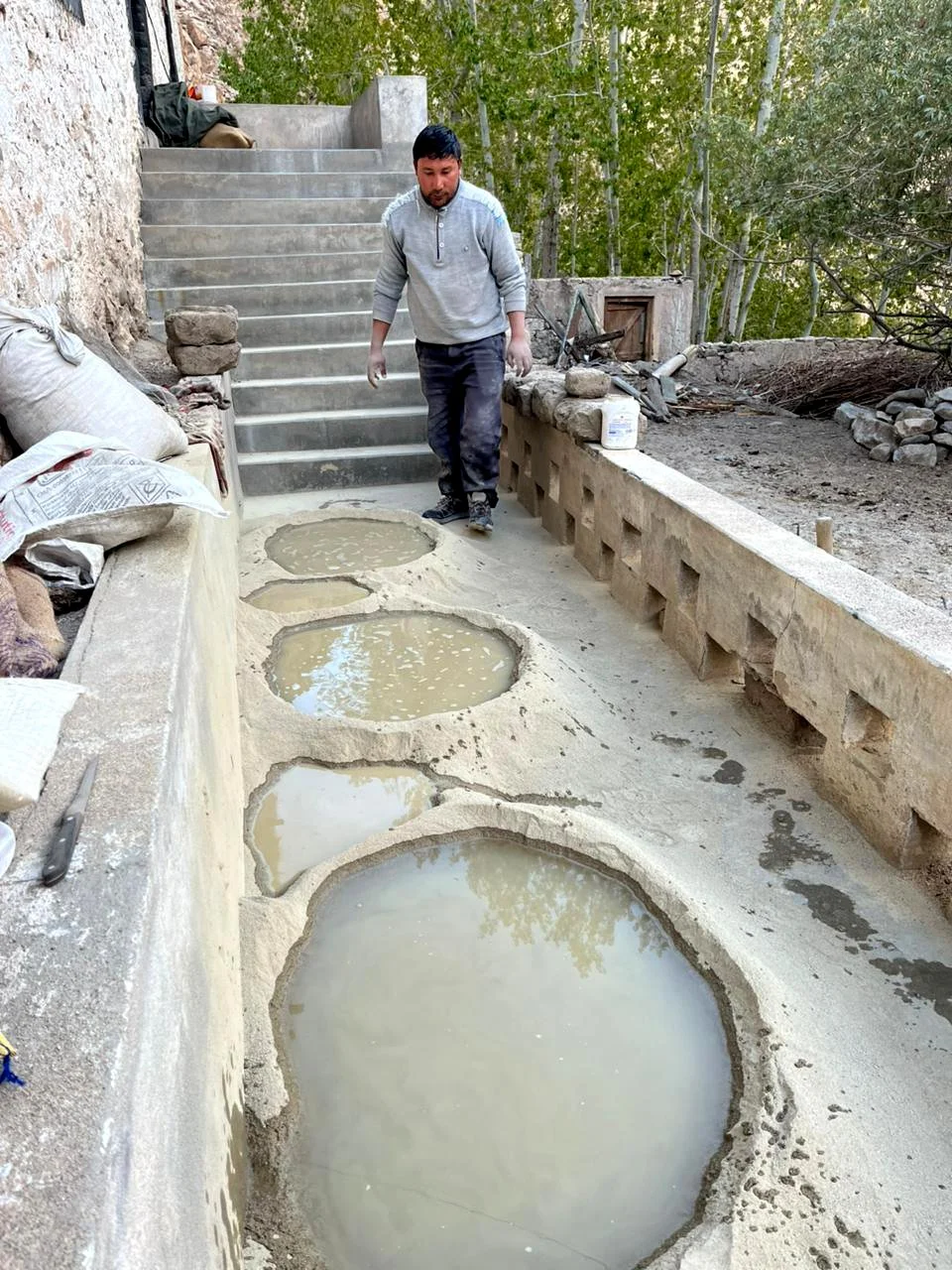
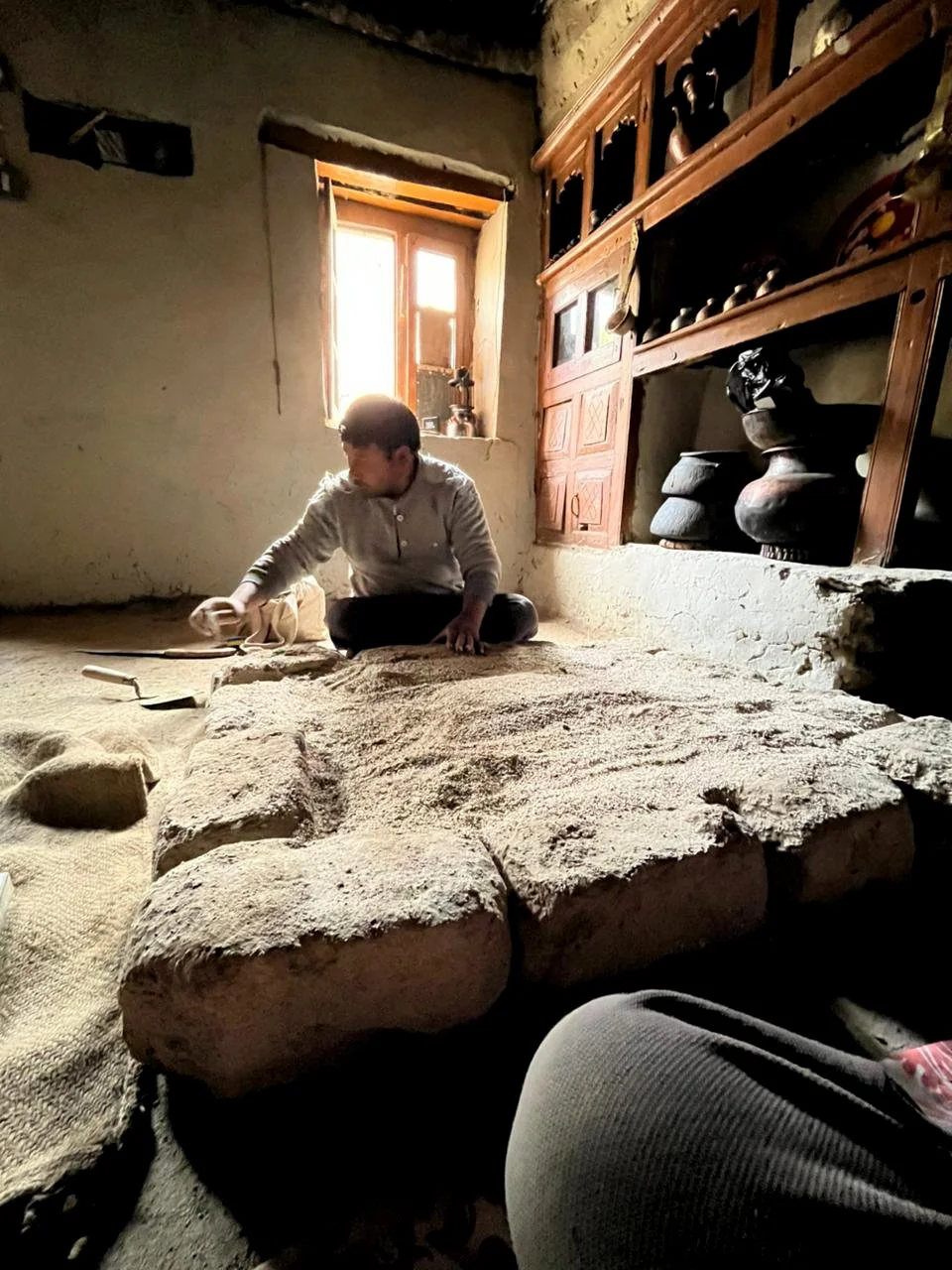
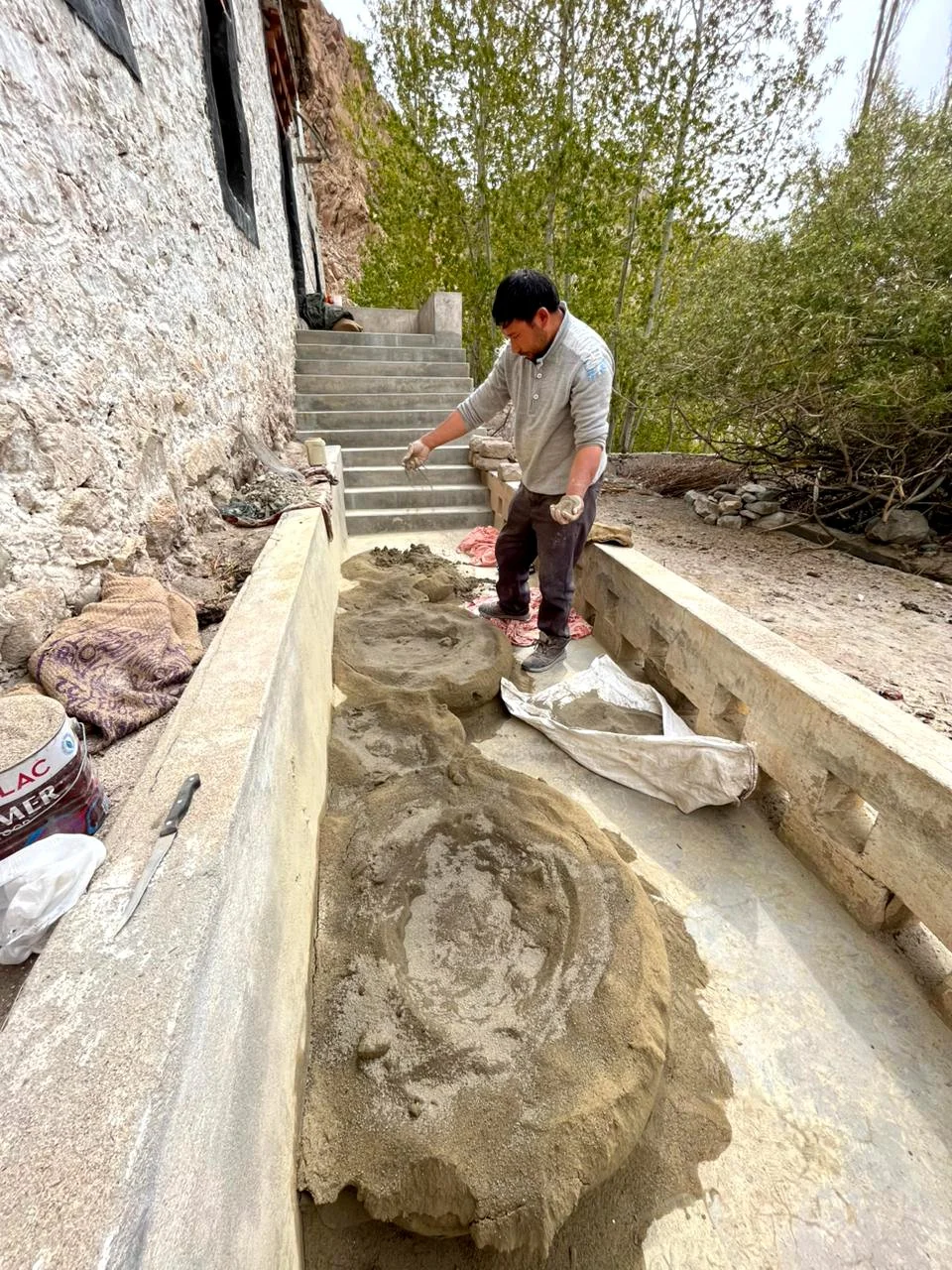
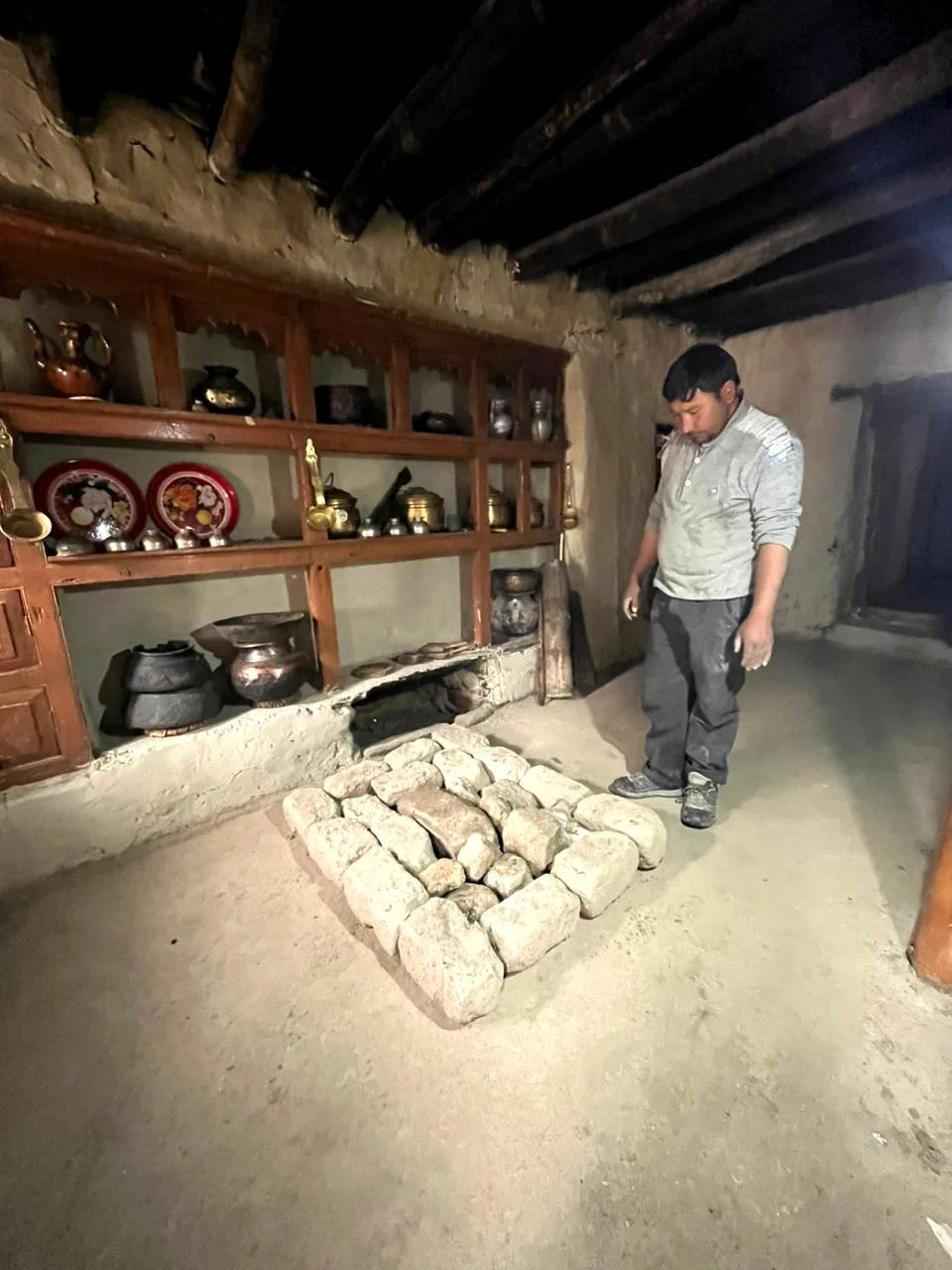
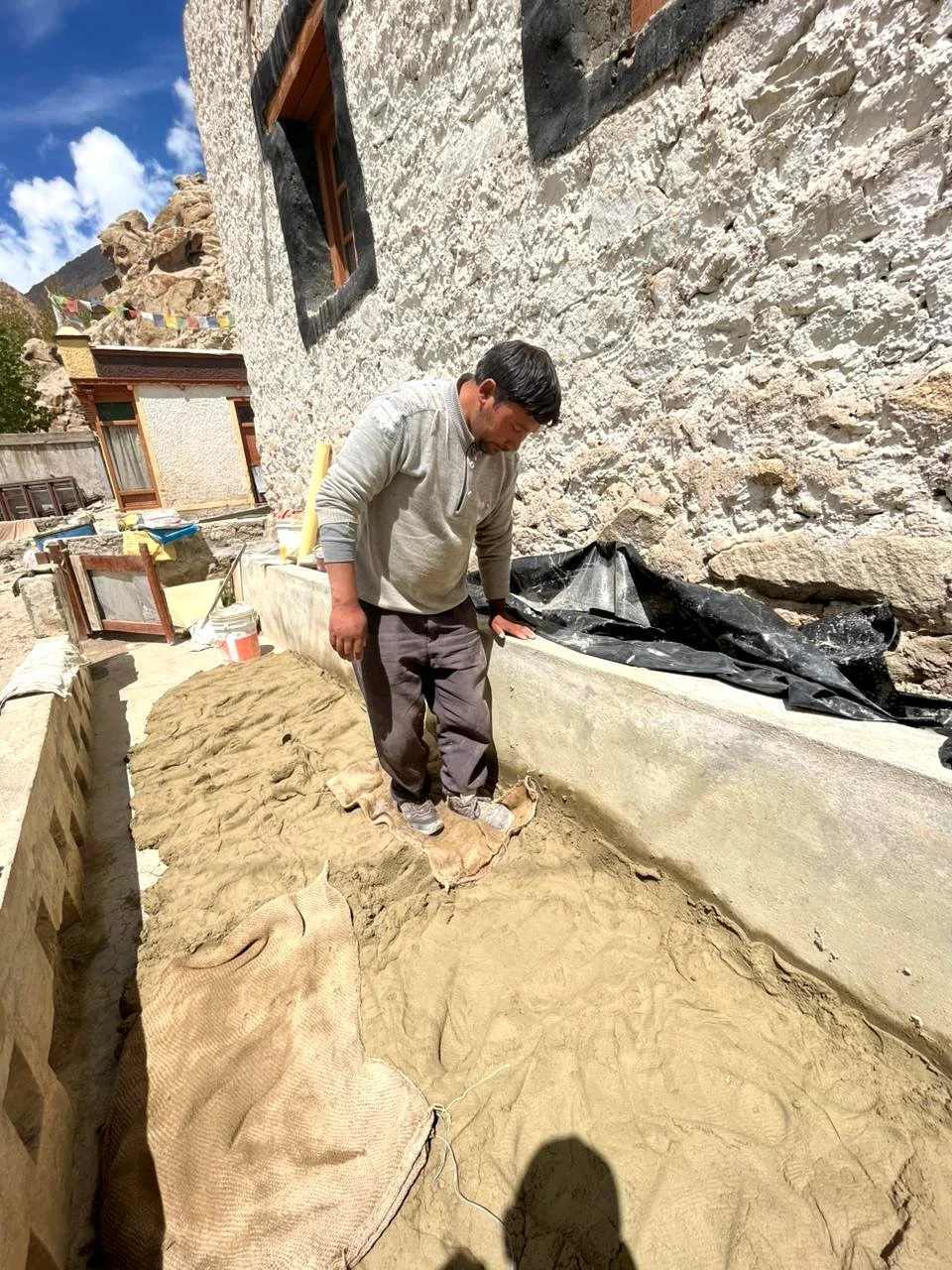
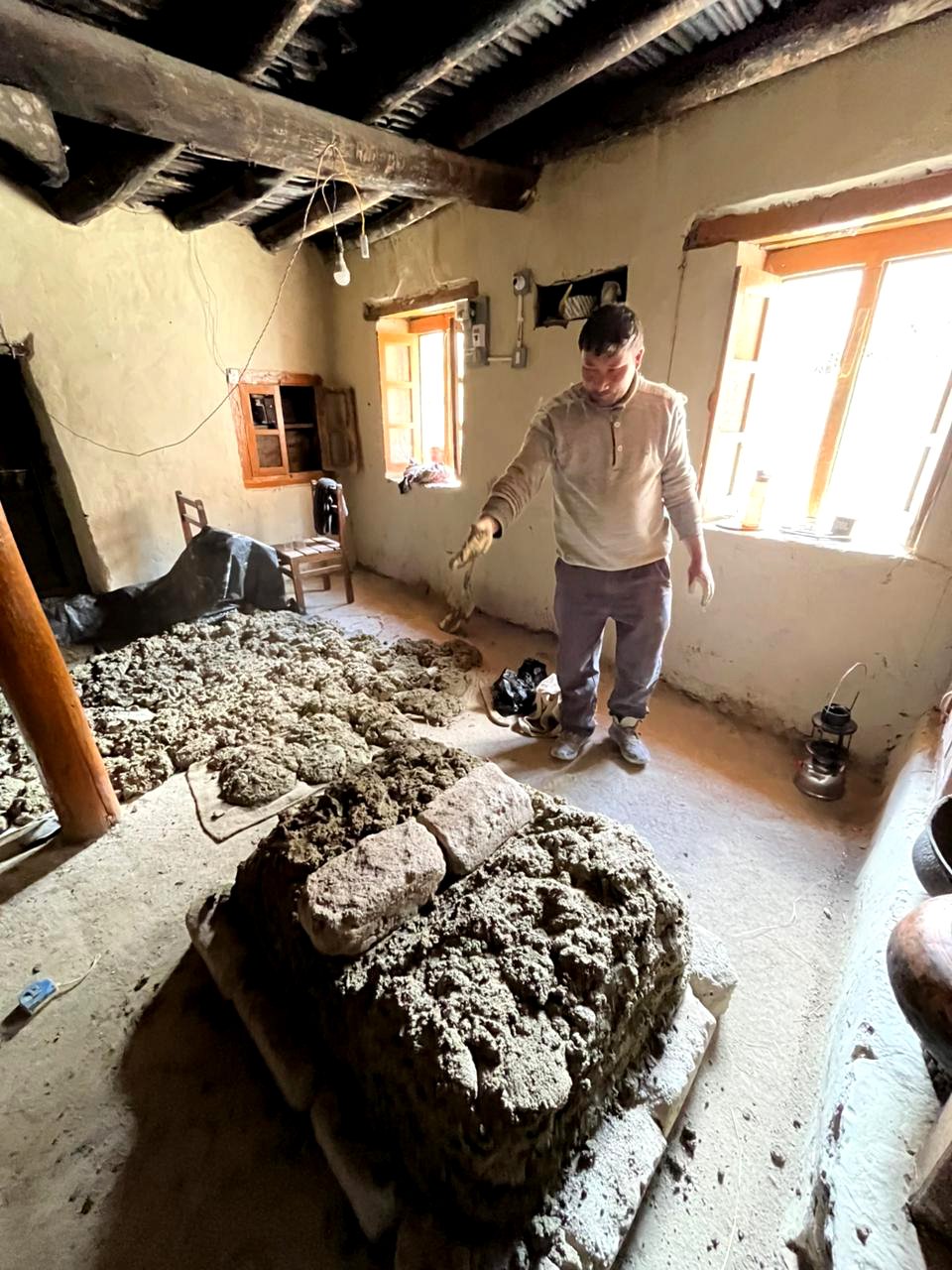
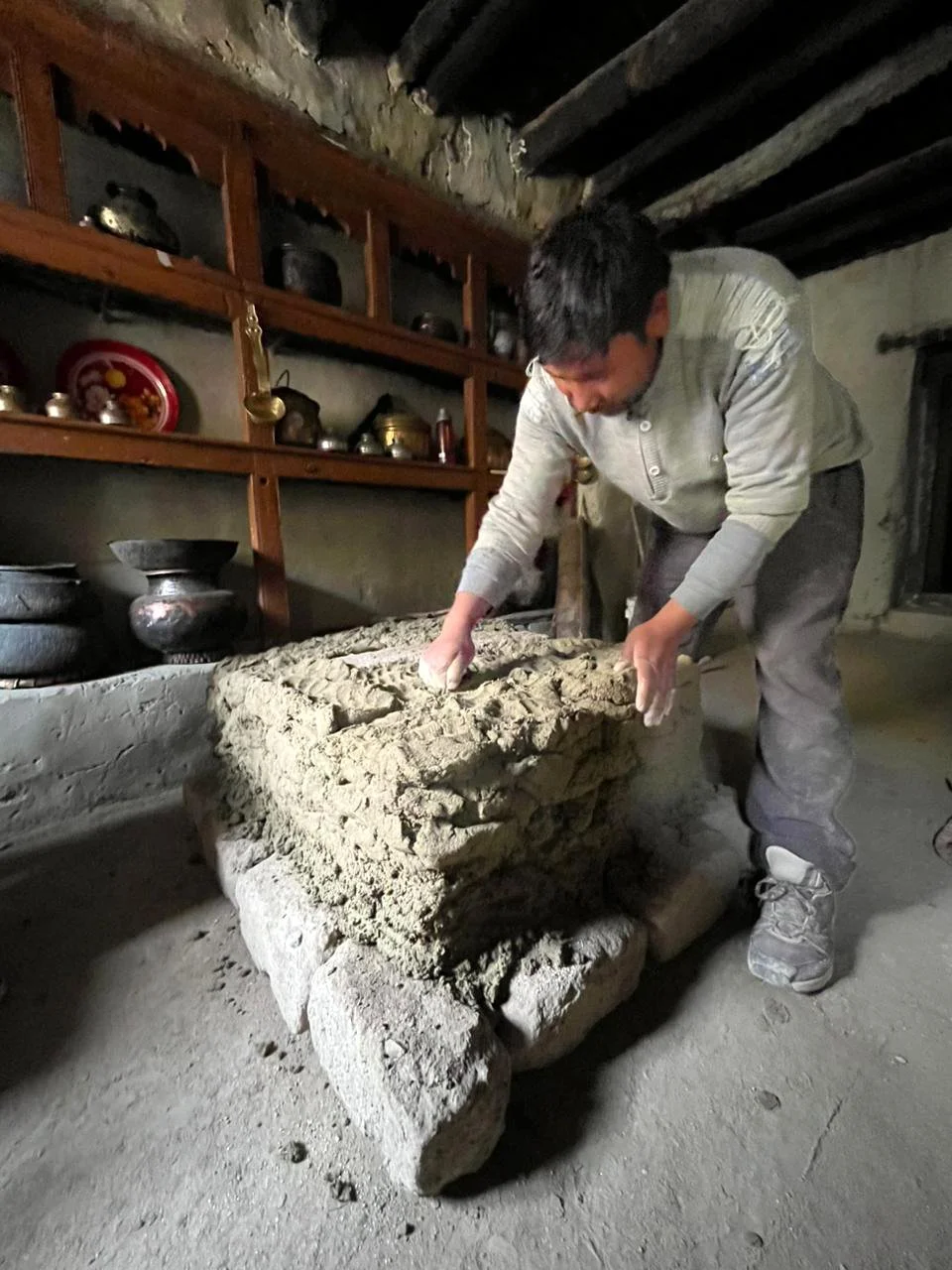
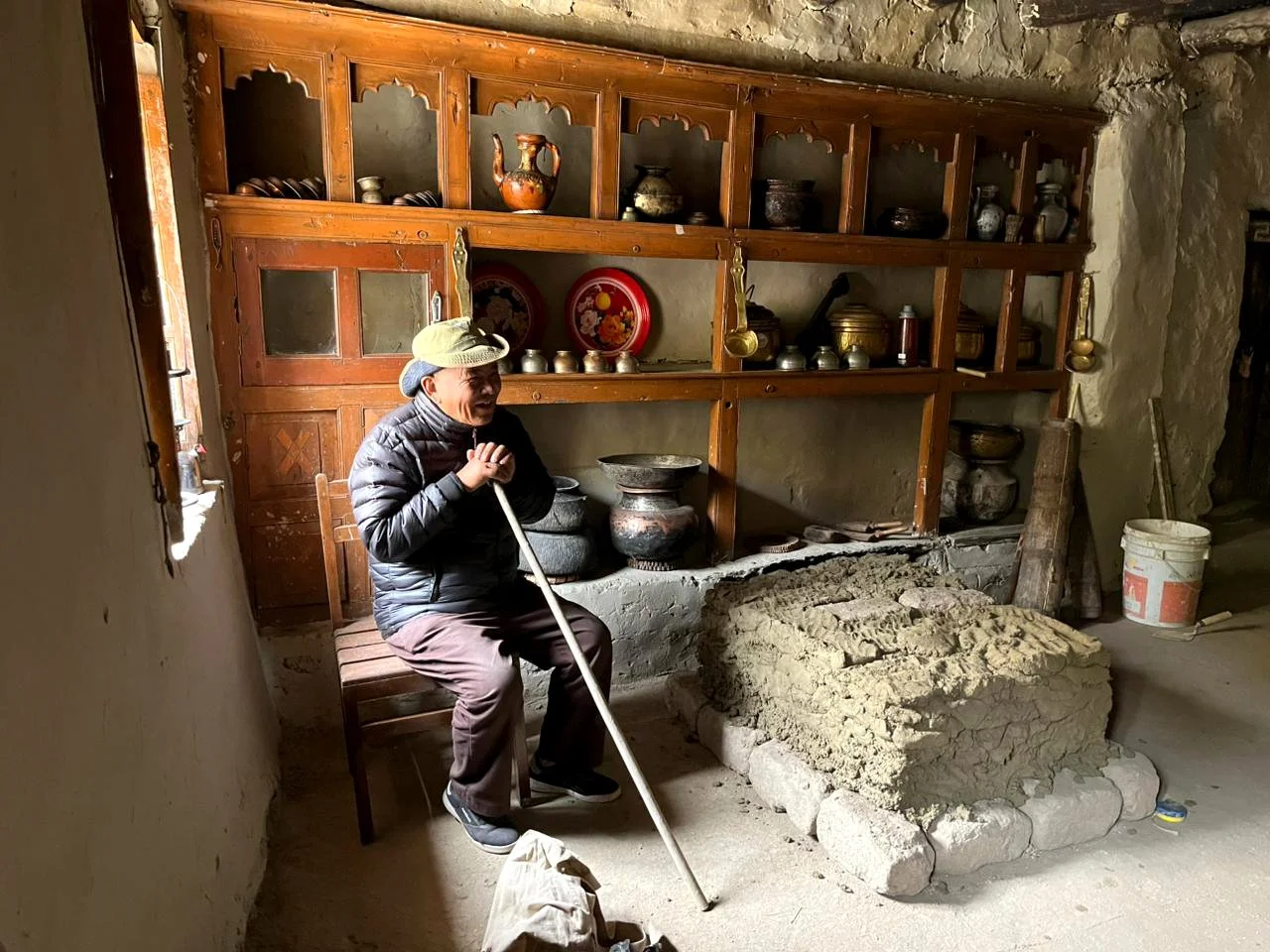
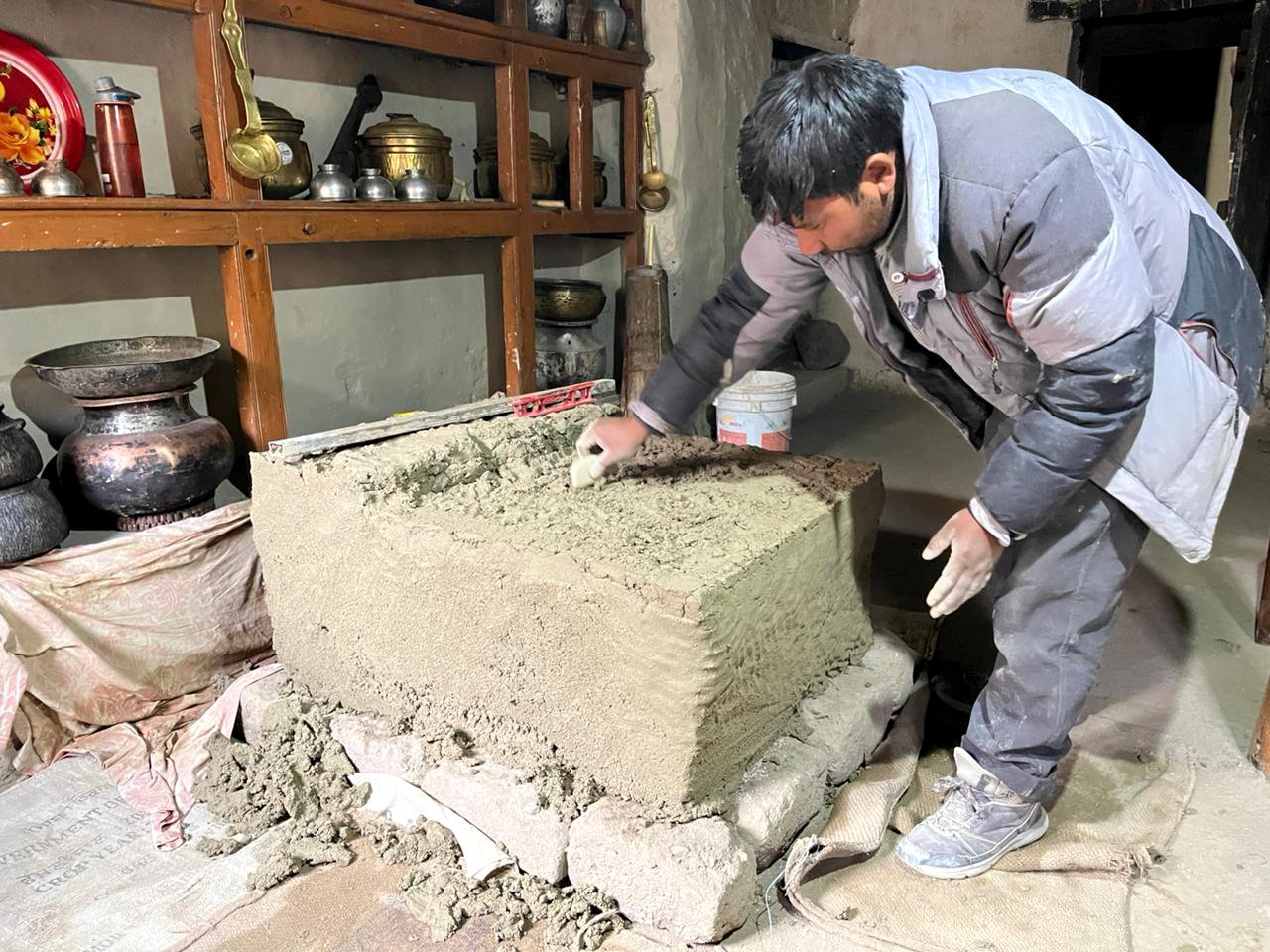
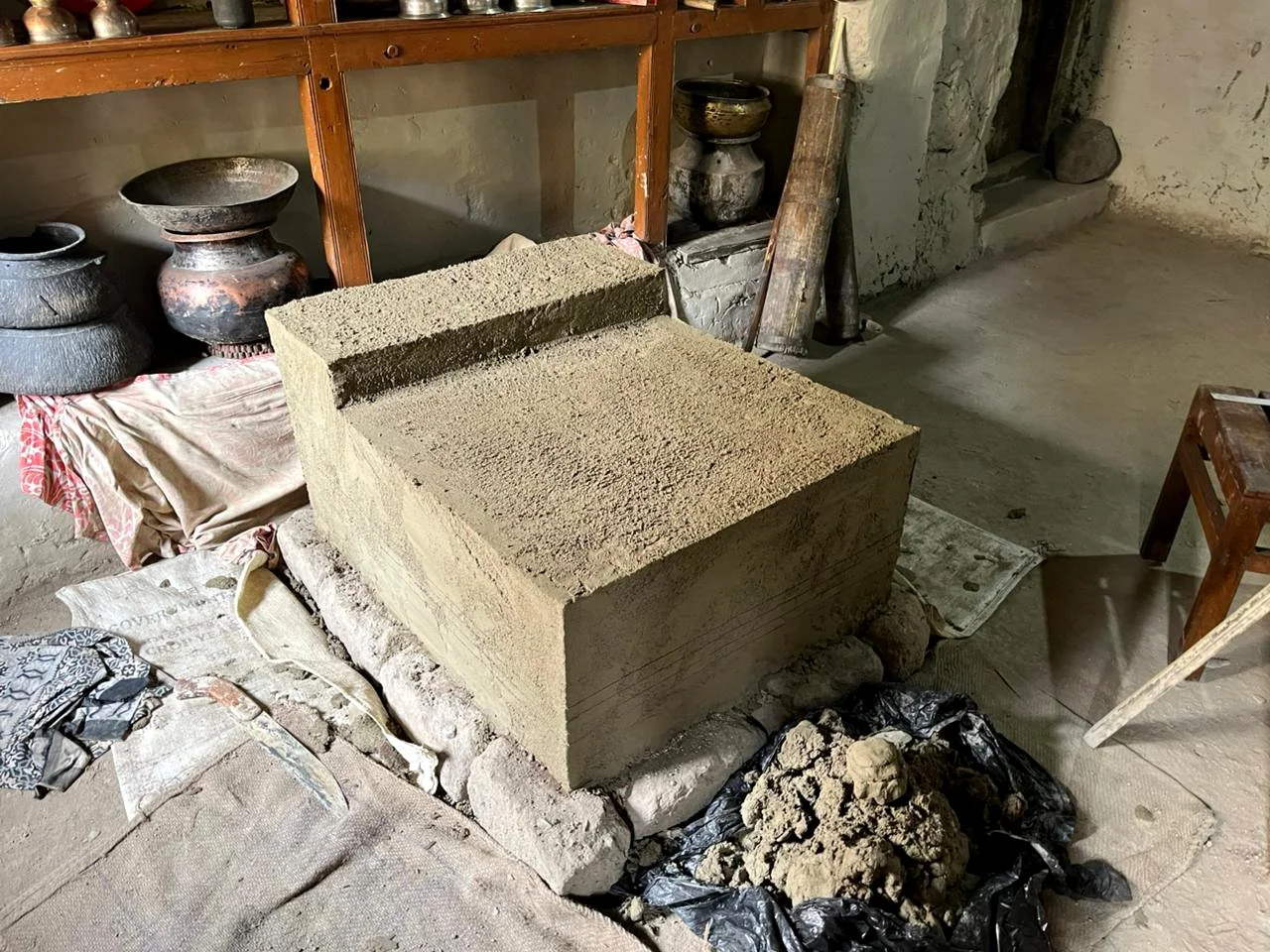
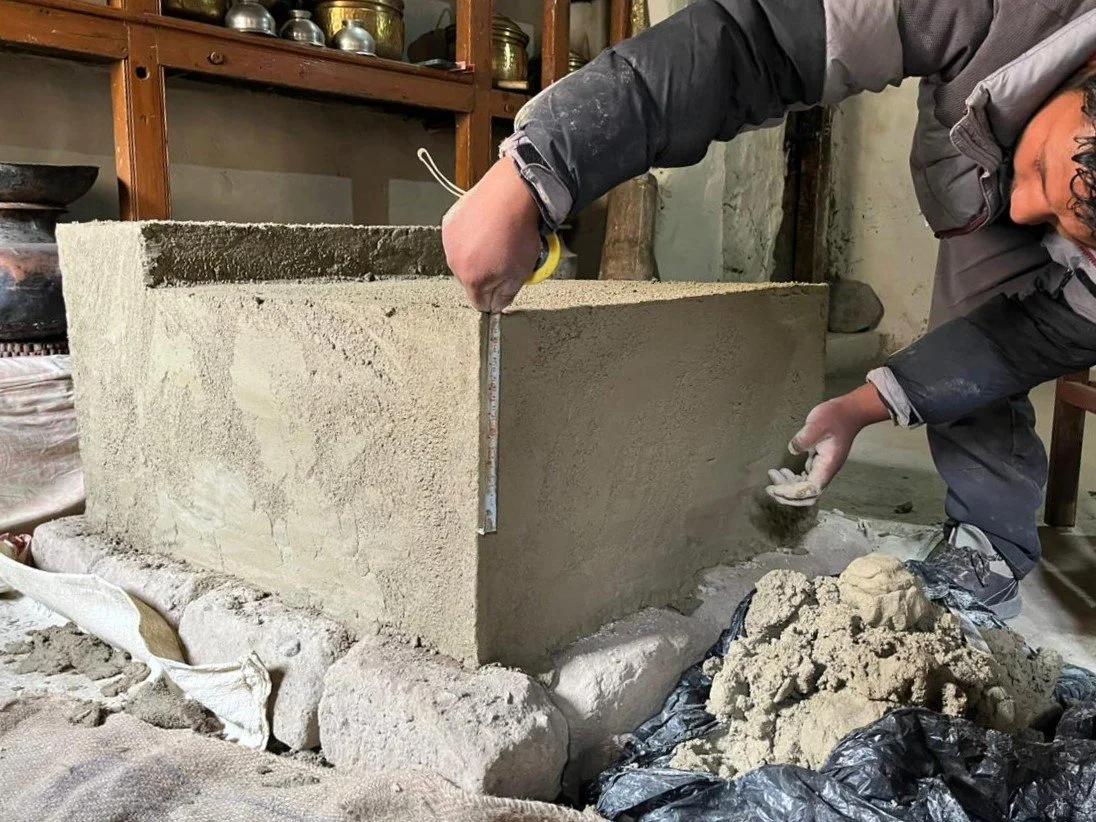
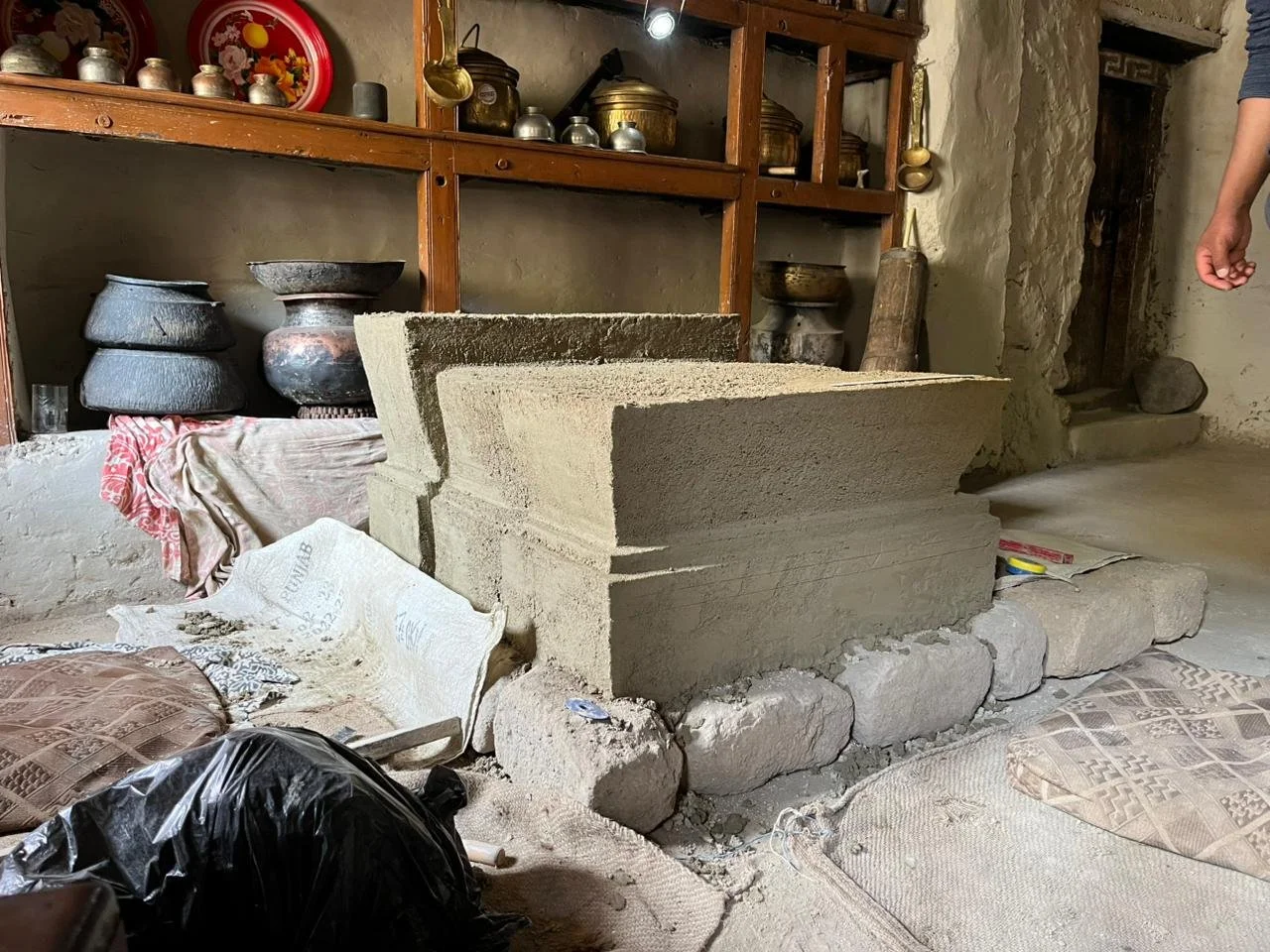
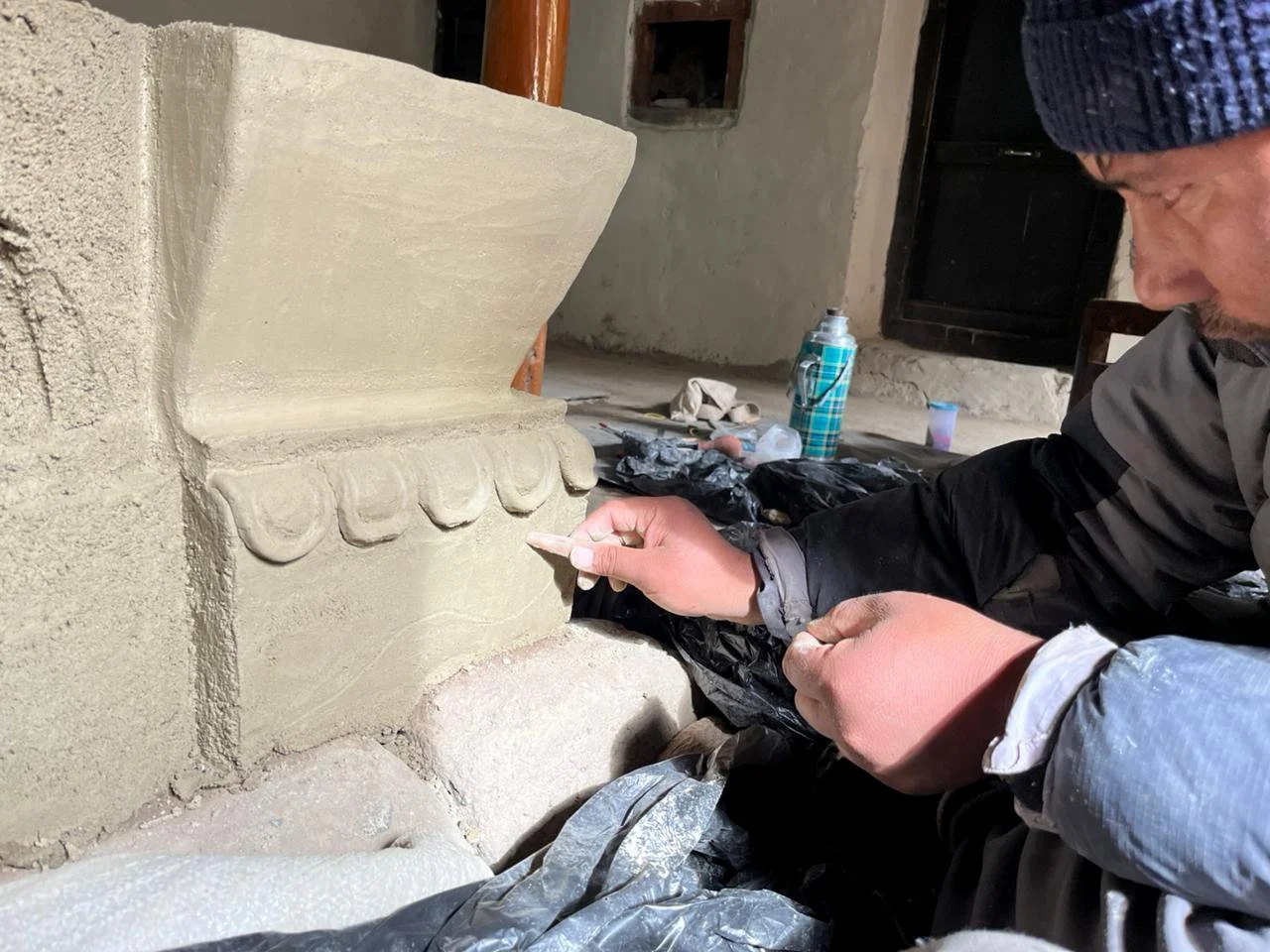
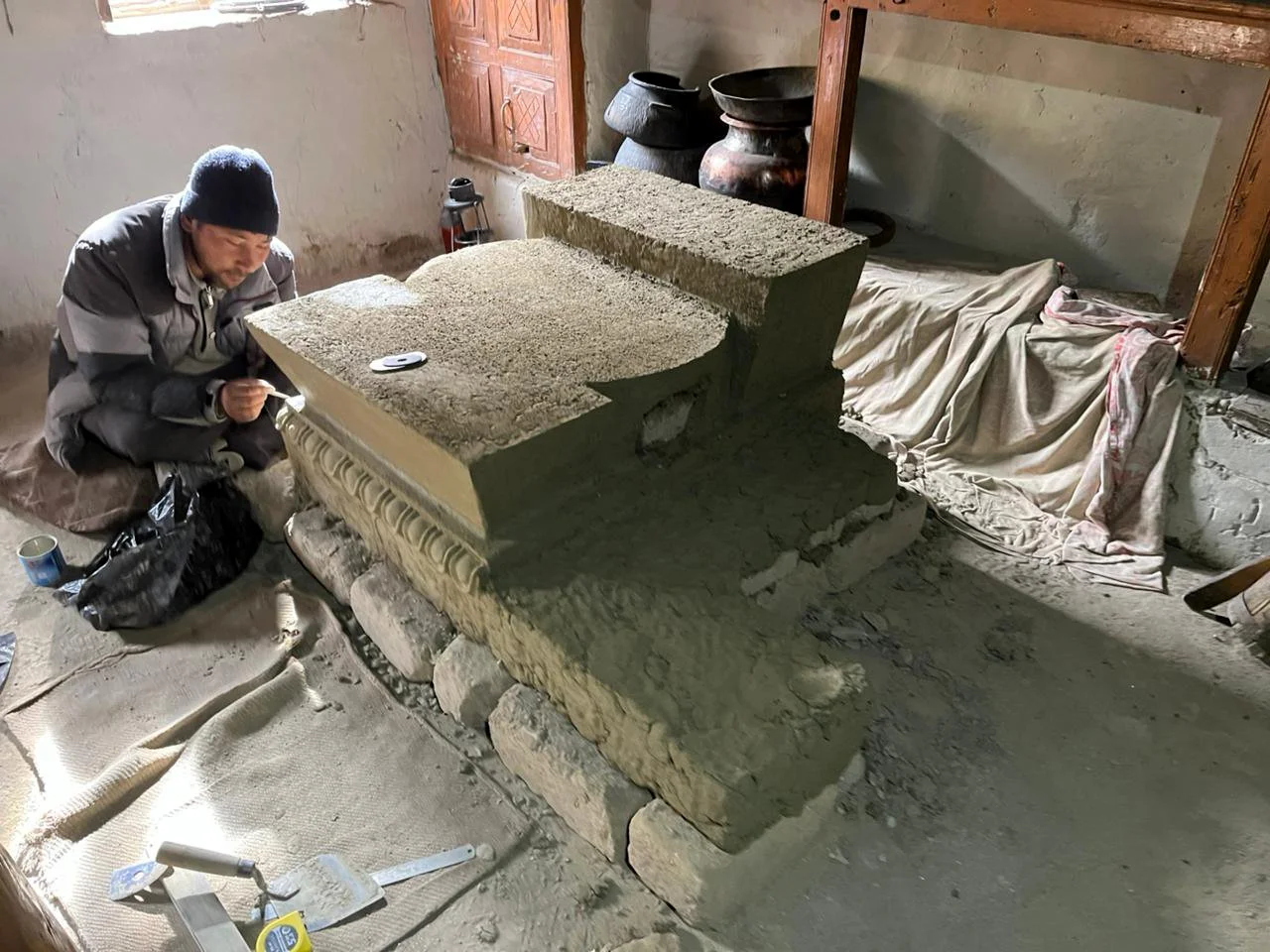
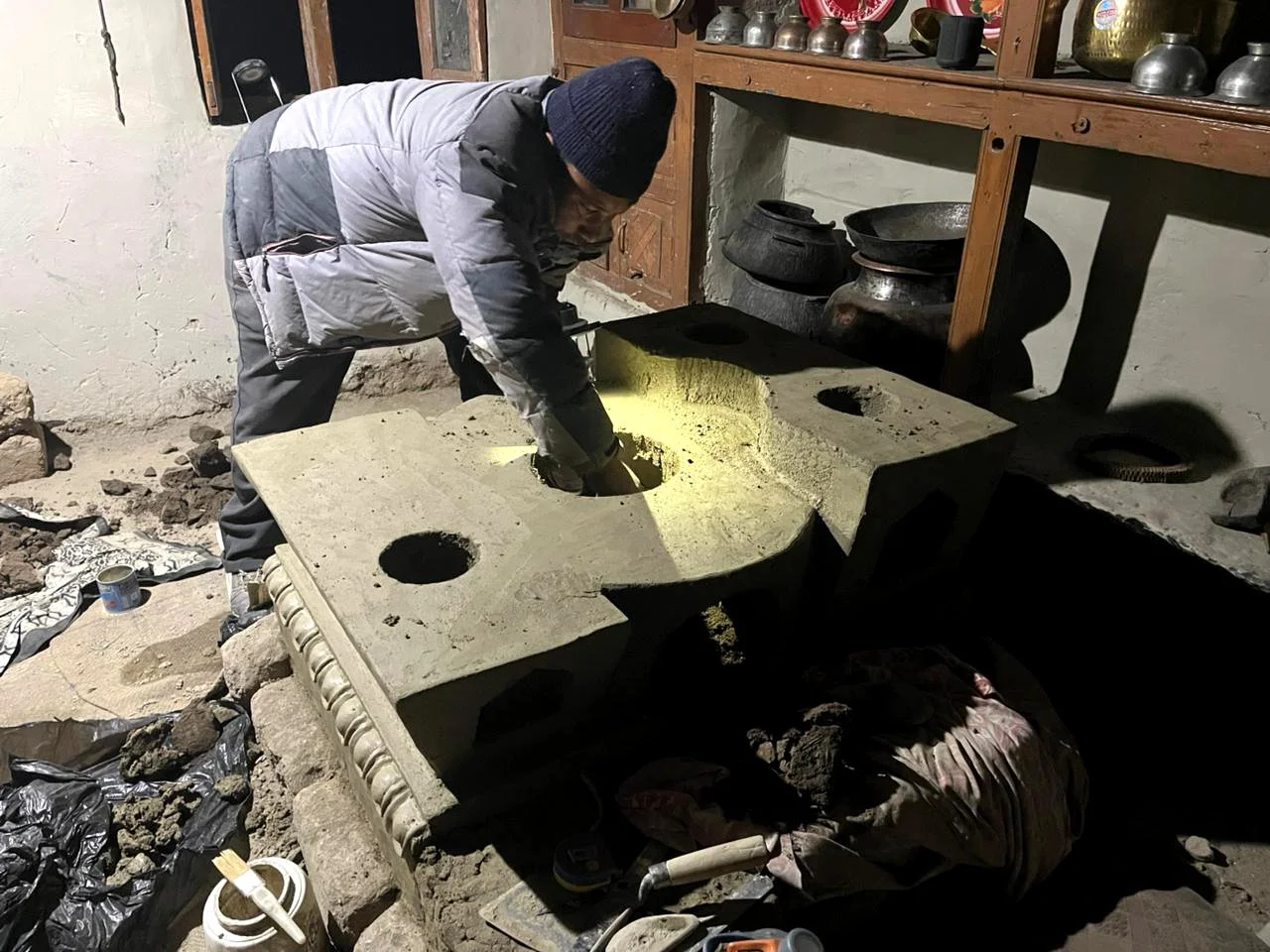
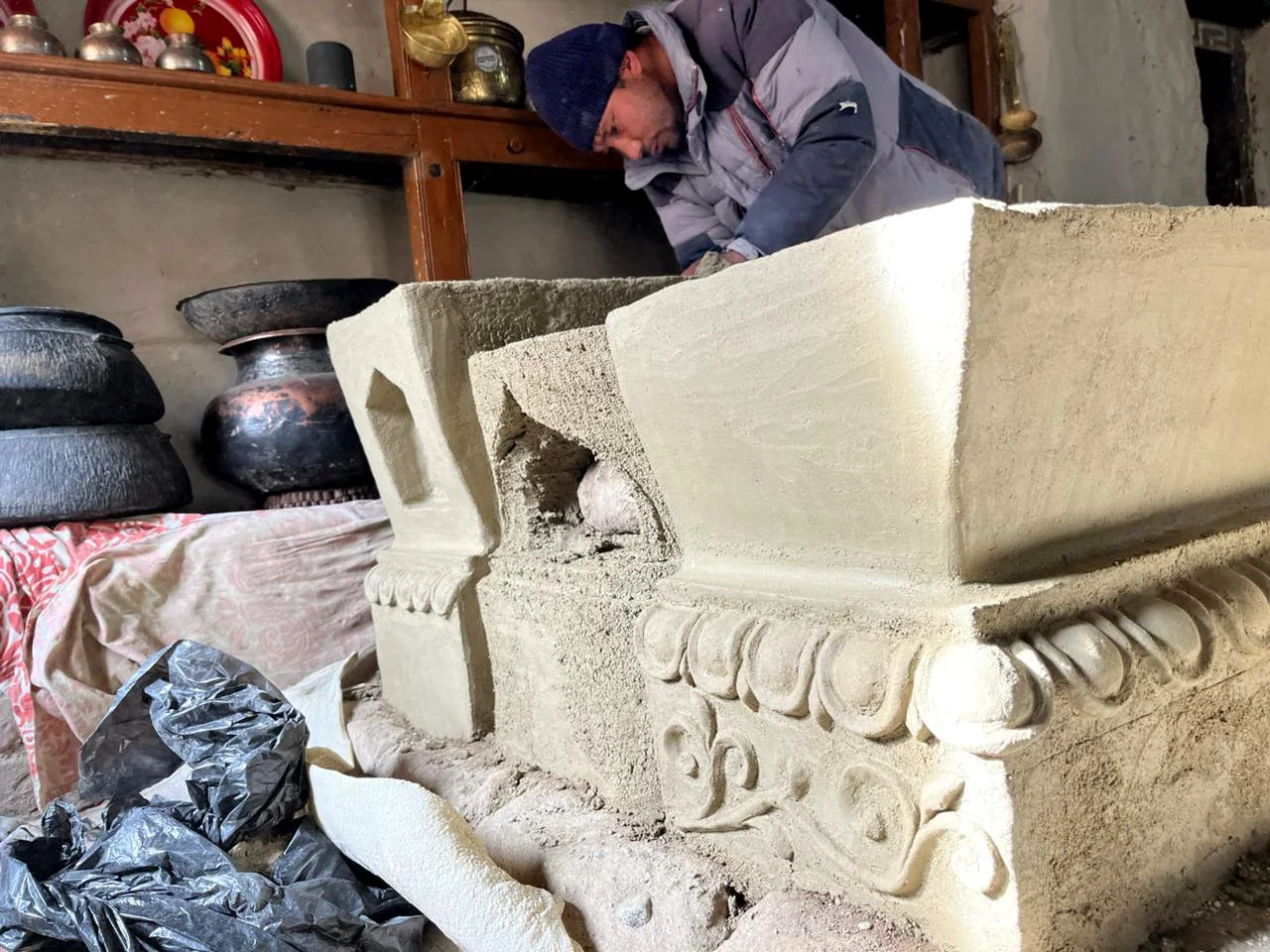
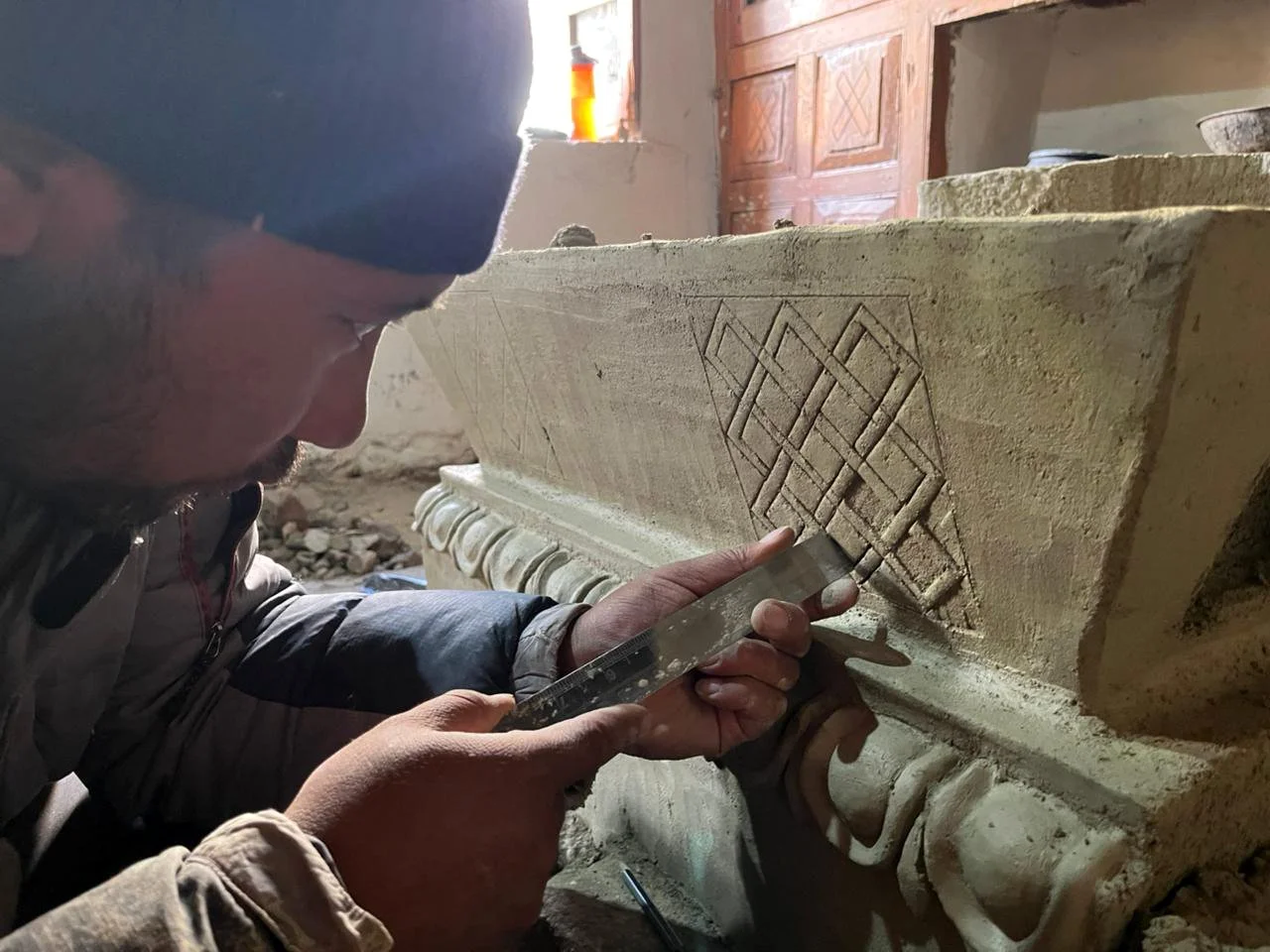
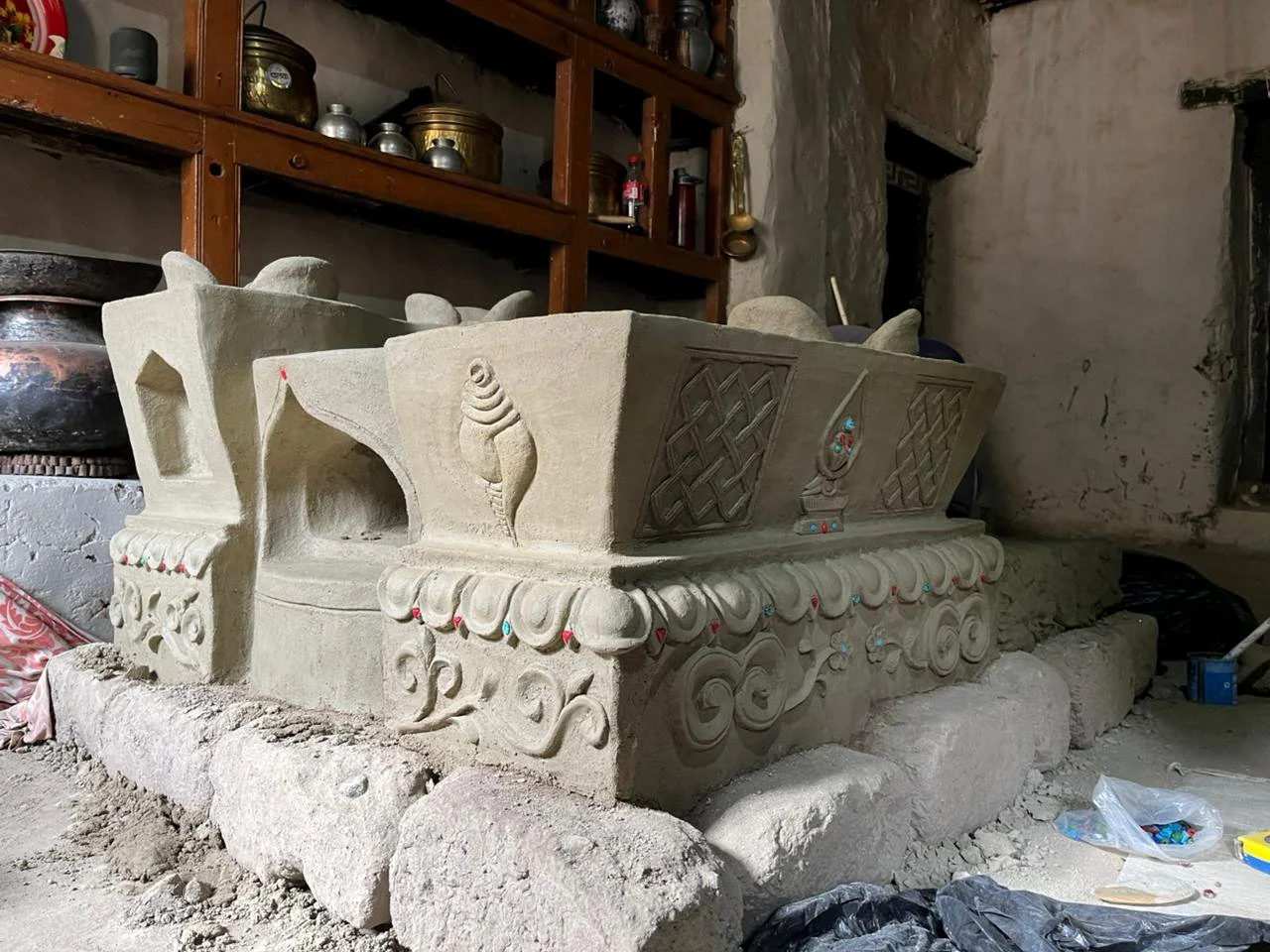
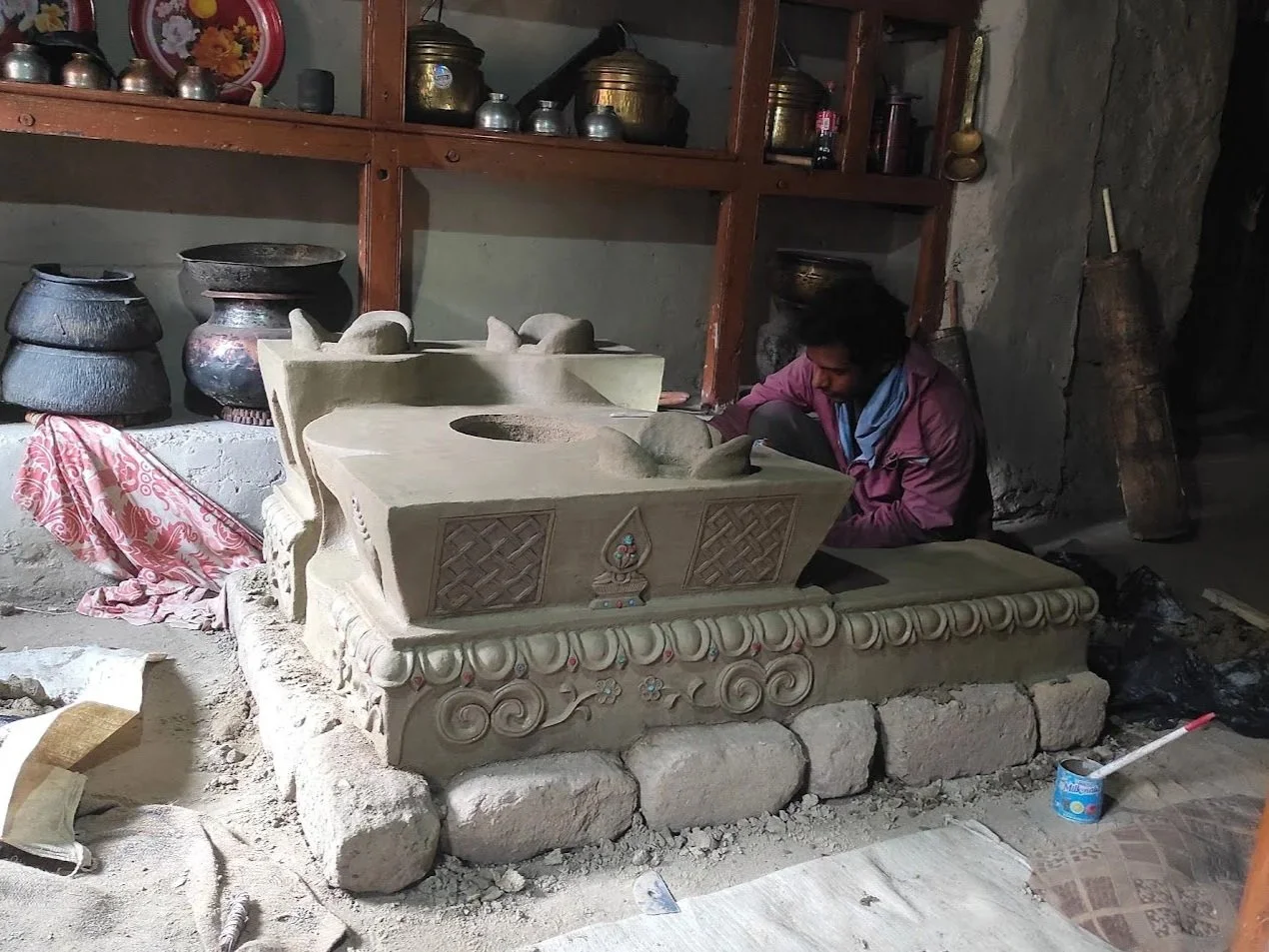
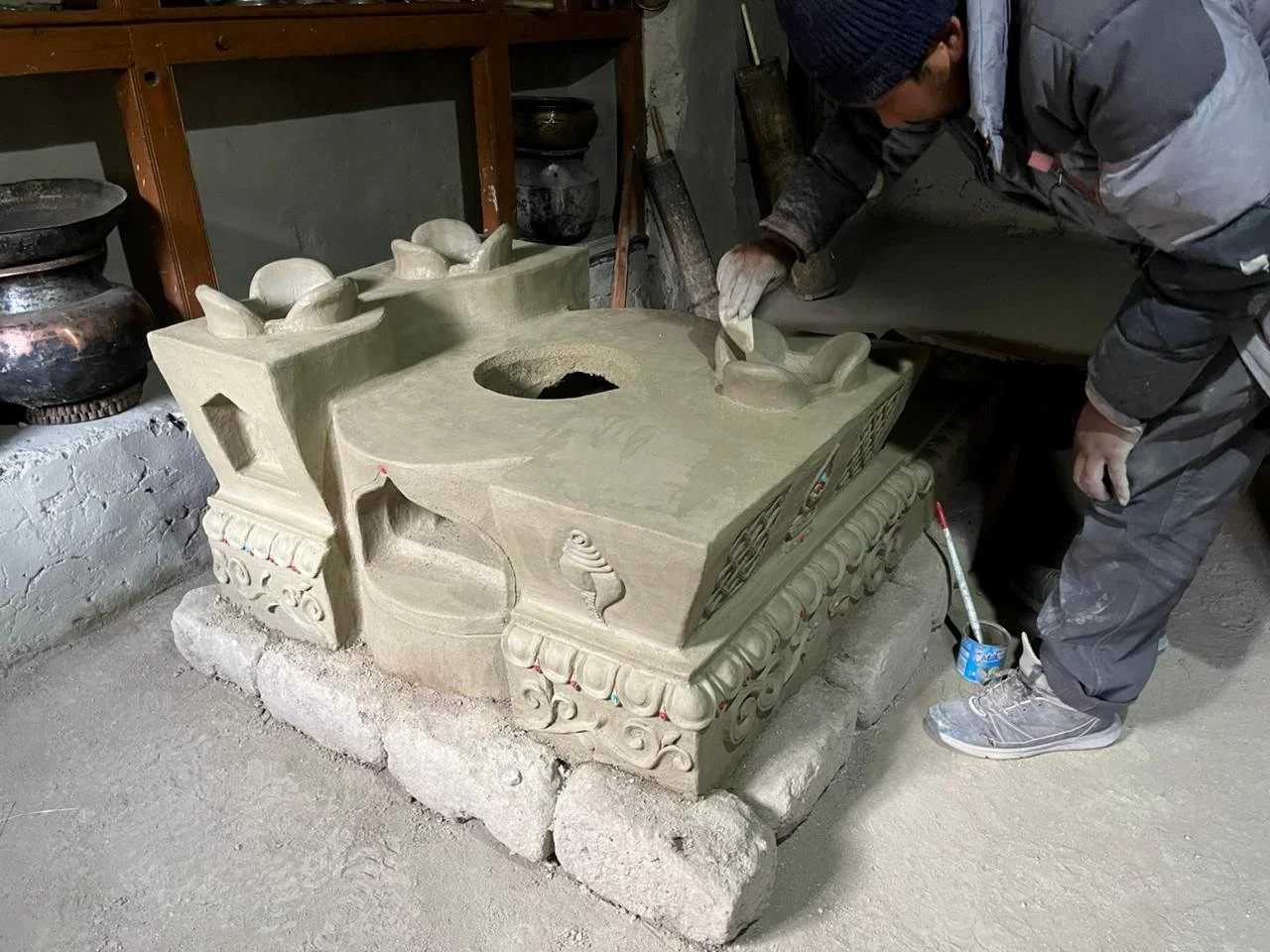
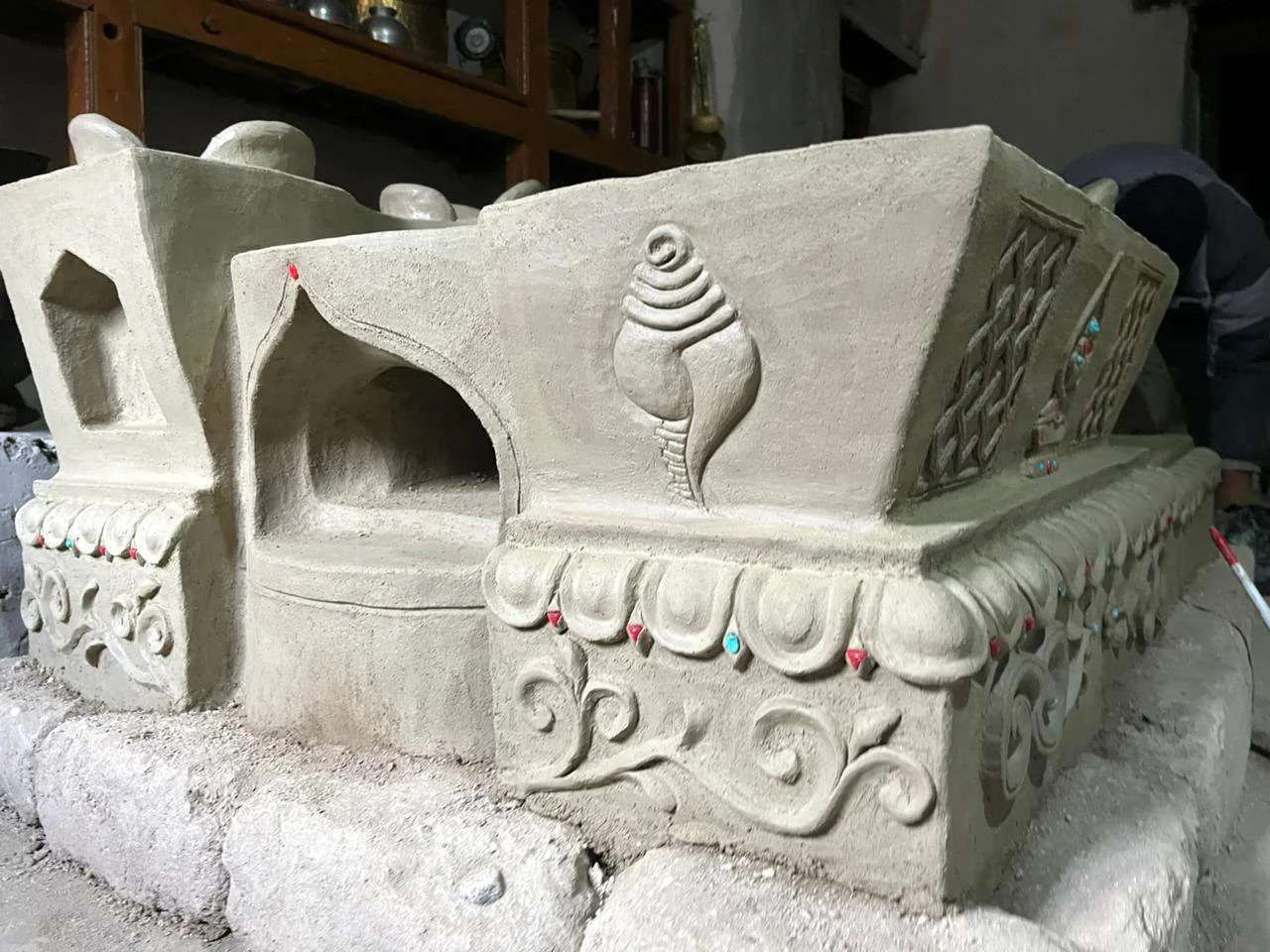
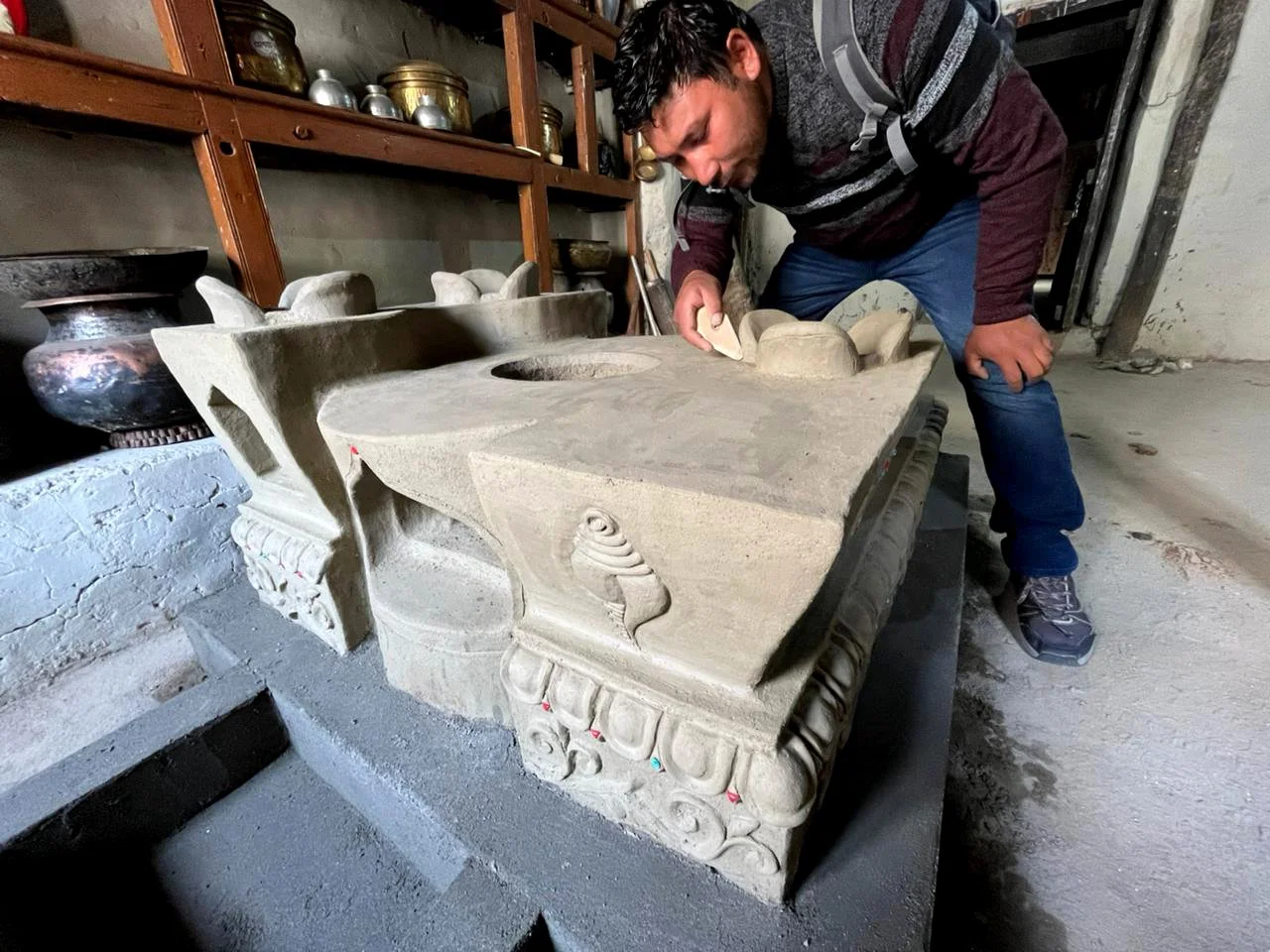
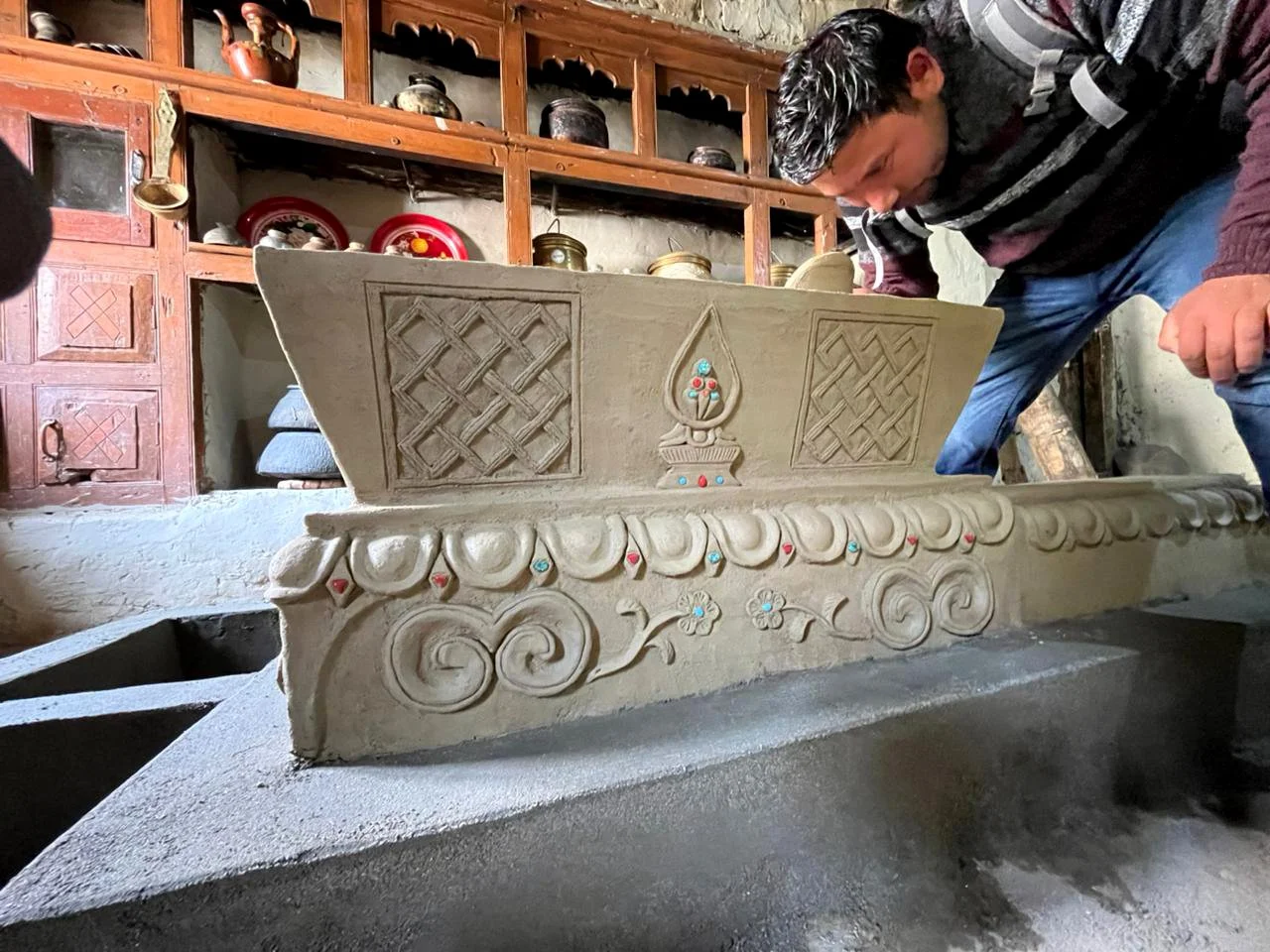
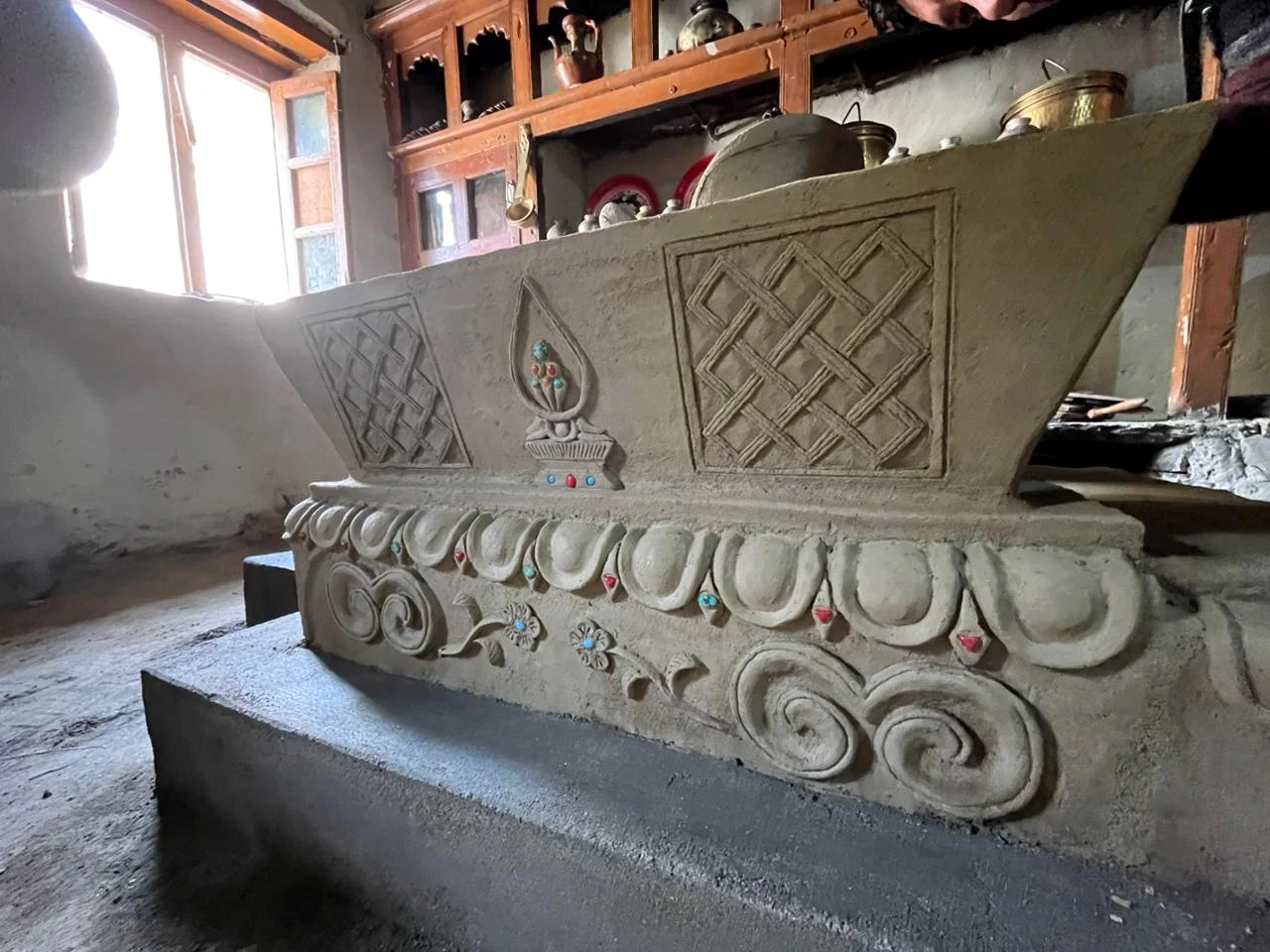
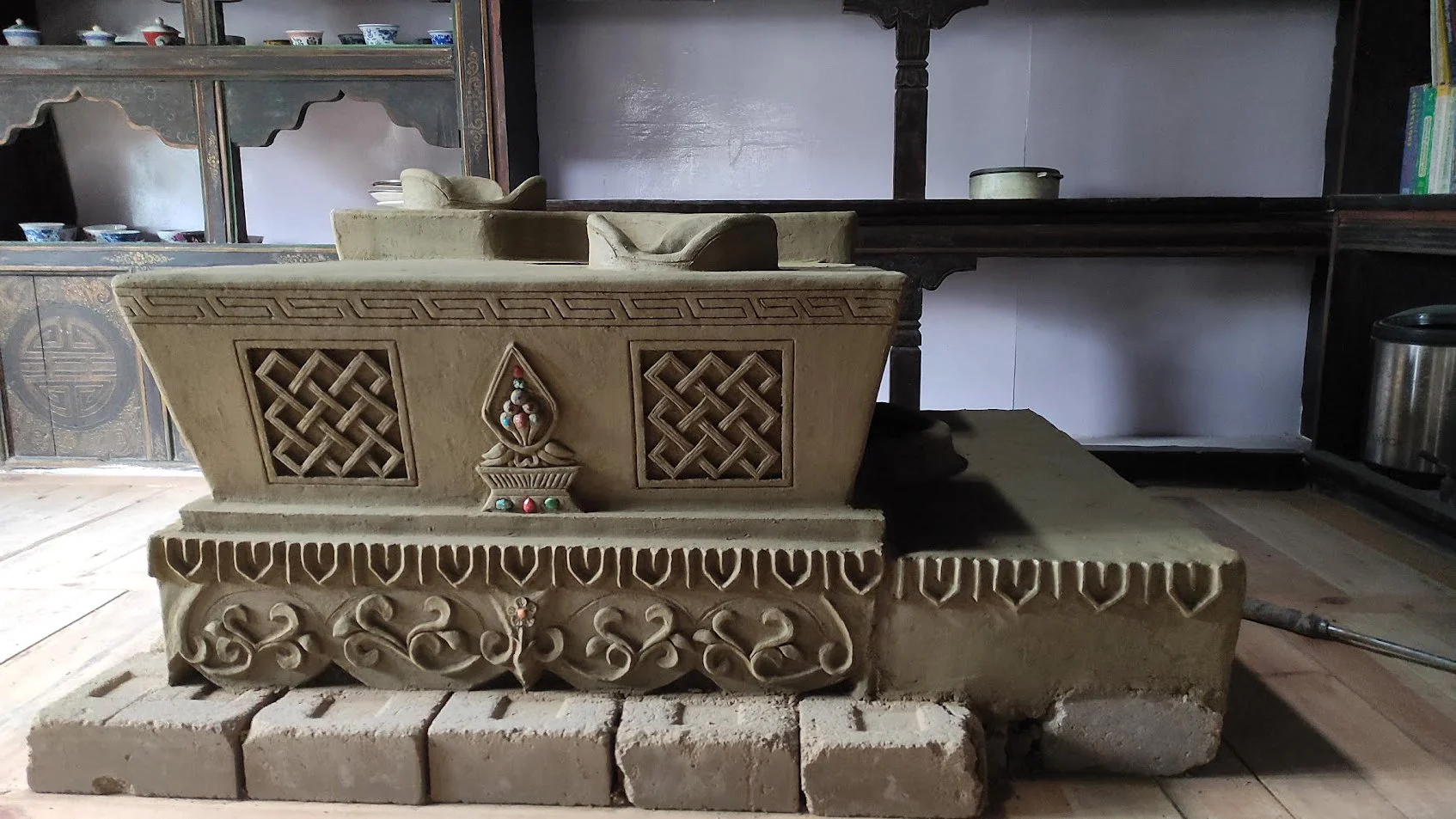
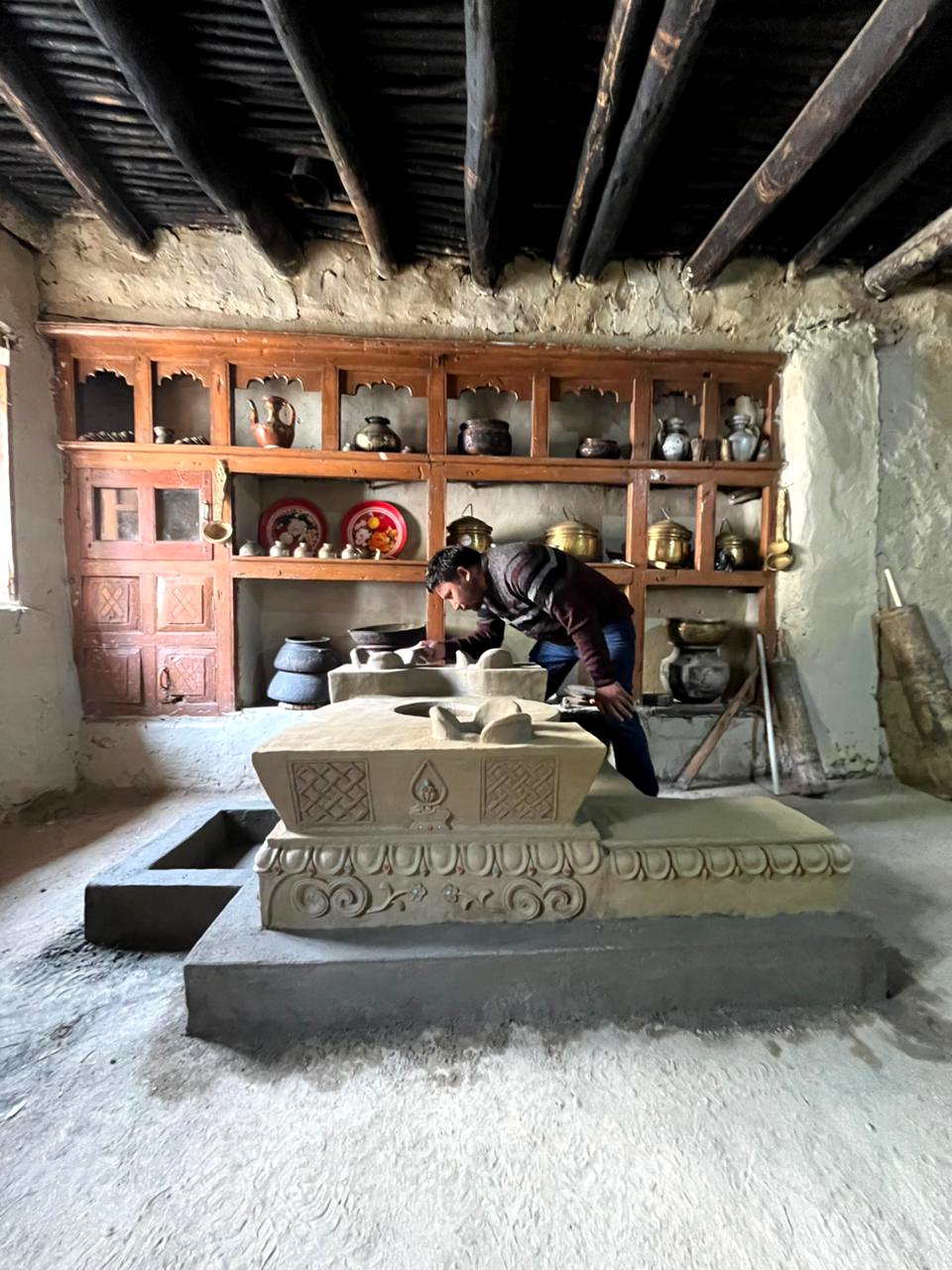
A traditional wood-fired hearth central to Ladakhi kitchens. The thap is a clay cob stove with circular openings that channel heat for simmering butter tea, thukpa, and daily stews, while warming the room itself. Made from a specific clay known as thap-sa, it is considered auspicious and often decorated with Tibetan motifs such as the Lotus, Endless Knot and the Wish-Granting Jewel.
Historically, kitchens built around the thap doubled as gathering spaces, with low tables encircling the stove and conversations unfolding alongside the fire. Though many have been replaced by metal stoves, surviving soot-darkened thaps remain cherished reminders of Ladakh’s warmth, food, and community.
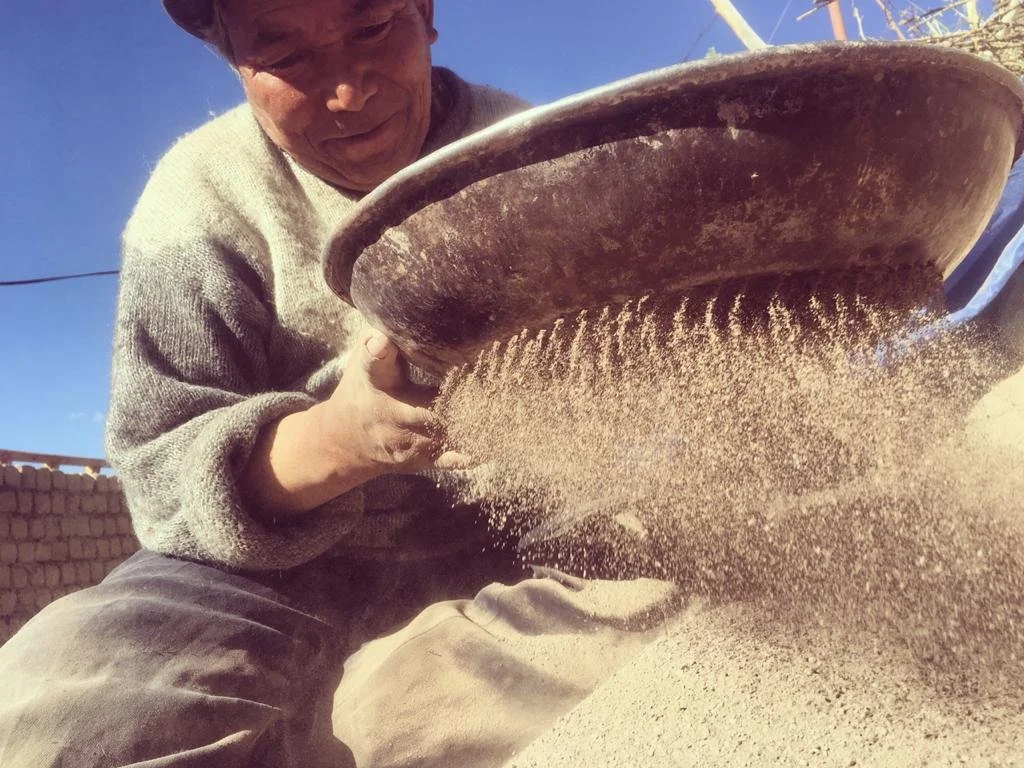
Below is a photo documentation of a Thap being made by Rigzen Namgail.